Langley Township Council Reviews Truck Parking Policies Ahead of October Elections
Key Takeaways
- What happened
- Langley Township Council has directed municipal staff to prepare an update on commercial vehicle parking policies ahead of the upcoming October 17 municipal elections.
- Location
- 200 Street
- Key points
-
- The review of commercial vehicle parking policies directly impacts rural property rights,…
- Local impact
- While Langley Township is not part of Greater Vancouver, its truck parking crisis reflects regional logistics challenges. The Township of Langley has been entangled in a truck parking quagmire for over a year, leading to heavy-handed crackdowns. For Metro Vancouver buyers, sellers, developers and investors, watch financing cost, transaction pace, supply mix and policy expectations.
- Who should watch
- ["Rural land investors should monitor the outcome of the council's review for potential changes in zoning bylaws.", 'Property owners currently using land for commercial truck parking should prepare for possible enforcement actions.',…



What Happened
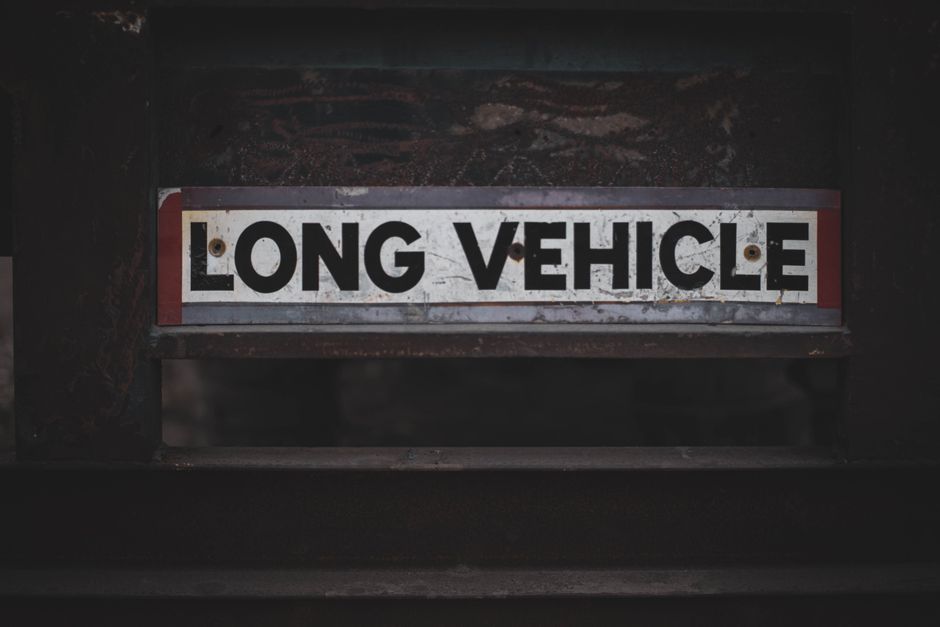
Langley Township Council has directed municipal staff to prepare an update on commercial vehicle parking policies ahead of the upcoming October 17 municipal elections. This decision follows urgent concerns raised by a delegation from South Langley residents regarding safety and zoning violations. The directive aims to address a long-standing issue involving illegal truck parking on Agricultural Land Reserve (ALR) farmland. For over a year, the township has faced a complex situation balancing enforcement with a lack of adequate designated parking solutions. The council's move signals a potential shift in how commercial vehicle operations are regulated in rural areas. Staff will present findings to guide future policy decisions before the next election cycle. This review comes amidst ongoing complaints about reckless driving and safety hazards in the community.
Why It Matters
The review of commercial vehicle parking policies directly impacts rural property rights, zoning enforcement, and community safety in Langley Township. Illegal parking on Agricultural Land Reserve (ALR) farmland undermines agricultural use and creates safety hazards for residents. The lack of designated parking areas has forced many truckers, predominantly South Asian owner-operators, to park on private land, leading to conflicts with property owners. The council's decision to address this before the October elections highlights the political sensitivity of the issue. It also reflects the broader challenge of managing commercial logistics in a region with limited infrastructure for such operations. The outcome of this review could set precedents for how similar issues are handled in other rural municipalities across British Columbia.
Local Vancouver / Burnaby Context
While Langley Township is not part of Greater Vancouver, its truck parking crisis reflects regional logistics challenges. The Township of Langley has been entangled in a truck parking quagmire for over a year, leading to heavy-handed crackdowns. Under the leadership of Mayor Woodward, the council's actions have often exacerbated the situation, leaving residents and truckers frustrated. The issue is particularly acute in areas like South Langley, where residents have raised urgent concerns about safety. The township's enforcement efforts have targeted rural property owners operating commercial trucking operations in breach of zoning bylaws. This situation mirrors broader tensions in the Fraser Valley between agricultural preservation and commercial logistics needs.
Market Impact
The review of truck parking policies may affect land values and usage in rural Langley Township. Property owners currently leasing land for truck parking may face financial losses if the practice is banned. Conversely, residents concerned about safety may see improved quality of life if enforcement is strengthened. The lack of designated parking areas remains a key bottleneck for the trucking industry in the region. Any new policy will need to balance enforcement with providing viable alternatives for commercial vehicle operators. This could influence the cost of logistics and transportation services in the area.
Investor / Buyer Takeaway
Rural land investors should monitor the outcome of the council's review for potential changes in zoning bylaws. - Property owners currently using land for commercial truck parking should prepare for possible enforcement actions. - Residents concerned about safety may see improvements if the council strengthens enforcement and provides alternatives. - The issue highlights the importance of understanding local zoning regulations before investing in rural Langley Township. - Potential buyers should assess the impact of truck parking policies on property usability and value.
Builder / Developer Perspective
The review of truck parking policies may impact the feasibility of commercial logistics operations in rural Langley. Developers and builders relying on trucking services may face increased costs if designated parking areas are limited. The lack of adequate infrastructure for commercial vehicles remains a challenge for the industry. Any new policy will need to consider the needs of the trucking sector while protecting agricultural land. This could influence the cost of construction and transportation services in the region.
Risk Factors
Potential financial losses for property owners leasing land for illegal truck parking. - Enforcement challenges if the council fails to provide adequate designated parking alternatives. - Community safety risks if reckless driving continues without effective policy interventions. - Political backlash if the council's actions are perceived as heavy-handed or ineffective. - Impact on the local trucking industry if operational costs increase due to new regulations.
BurnabyHouse Insight
Langley Township's truck parking crisis is a microcosm of broader regional logistics challenges. The township's struggle to balance enforcement with providing viable alternatives highlights the complexity of managing commercial operations in rural areas. The council's decision to review policies before the October elections suggests a recognition of the issue's political sensitivity. However, without adequate infrastructure, enforcement alone may not solve the problem. The situation underscores the need for a comprehensive approach that addresses both safety and logistical needs.
Community
Questions, Answers & Comments
Ask a question, add context, or leave a comment. Public posts appear after review.
No public questions or comments yet. Be the first to ask.