Tariff Shifts and Canada Finance Headlines Put Housing Costs Back in Focus
Start with reported facts, then read the Burnaby, Vancouver and BC real estate implications. BurnabyHouse separates facts, local context, buyer/investor takeaways and risk factors so commentary does not become reported fact.
What Happened
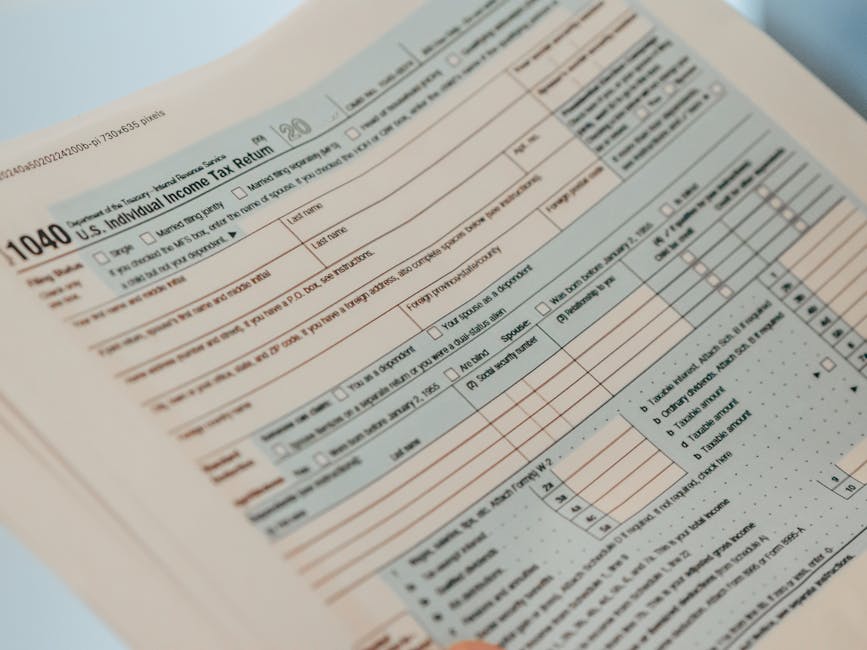
A news roundup identified several economic and business items involving Canada and the United States, including a Trump tariff shake-up, automatic tax-filing, a technical recession, Robinhood coming to Canada, and the Metro CEO retiring. The disclosed locations are Canada and the United States; no city, province, or local housing market is named in the extracted facts. No publication date is disclosed in the source extraction.
Why It Matters
For housing readers, the tariff portion is the most directly relevant because steel, aluminum, copper, and HVAC equipment are connected to building systems, renovation budgets, and replacement costs. Even when a tariff change does not immediately translate into a quoted construction price, it can influence supplier confidence, procurement decisions, and the way builders price risk into contracts. In a housing market already sensitive to financing costs and household affordability, material-cost uncertainty can affect both new construction and older-home maintenance decisions.
Local Vancouver / Burnaby Context
BurnabyHouse local context: in Greater Vancouver, housing feasibility is highly exposed to construction inputs, financing conditions, and municipal approval risk. Burnaby and Vancouver buyers often focus on sale price, mortgage rate, and strata fee, but replacement systems such as heating, ventilation, and air-conditioning can also affect ownership cost, especially for older detached homes, townhomes, and strata buildings planning major repairs. Because the verified facts identify HVAC equipment and metals-linked products, the local relevance is not a specific Burnaby project but the broader cost channel that can flow into renovations, maintenance budgets, and builder pricing.
Market Impact
The likely market impact is uneven. Owners planning renovations may pay closer attention to contractor estimates for systems that rely on imported equipment or metals-linked components. Strata councils may want to build more contingency into capital planning when mechanical systems or major building components are involved. Buyers may become more cautious with older properties if inspection reports point to near-term equipment replacement, because uncertainty around parts and labour can make budgeting harder.
Investor / Buyer Takeaway
- Buyers should separate headline risk from property-specific risk: a tariff item matters more if the home needs near-term HVAC, electrical, mechanical, or major renovation work.
- Sellers of older homes may face more detailed buyer questions about system age, maintenance records, and replacement budgets if construction-input uncertainty stays in the news.
- Investors should not treat the Robinhood Canada reference as a housing-market signal by itself; the extraction does not disclose products, timing, or regulatory details.
- Condo and townhouse buyers should review strata documents carefully for planned mechanical upgrades, contingency planning, and special-levy exposure.
- Anyone relying on recession headlines should look for the underlying data before changing a purchase or sale strategy, because the extraction does not disclose the economic basis for the technical recession reference.
Builder / Developer Perspective
For builders and developers, the most relevant disclosed facts involve metals-linked products and HVAC equipment. These inputs can affect tender pricing, trade quotes, and contingency allowances, especially when suppliers are unsure how tariff changes will be implemented. A builder pricing a project in Burnaby or Vancouver has to manage not only land cost and financing, but also the risk that mechanical, envelope, and equipment budgets shift between estimate and delivery.
Risk Factors
- Tariff-policy risk: the extraction identifies tariff changes and possible severe tariffs, but does not disclose final rules, timing, or complete product coverage.
- Construction-cost risk: steel, aluminum, copper, and HVAC equipment are relevant to building and renovation budgets, but no local price impact is disclosed.
- Financing risk: recession headlines can affect confidence and lender caution, but the extraction does not provide the underlying economic data.
- Strata and ownership risk: older buildings with upcoming mechanical or equipment work may face budgeting uncertainty, although no specific building or local project is named.
- Disclosure risk: several headline items are referenced without detailed supporting facts, so readers should not assume dates, amounts, eligibility rules, or local impacts that are not disclosed.
BurnabyHouse Insight
The useful BurnabyHouse reading is not that this roundup changes Burnaby real estate overnight. It is that housing decisions in Greater Vancouver are increasingly tied to forces outside the open-house circuit: trade policy, equipment costs, household cash flow, investor behaviour, and recession psychology. For local buyers, the practical move is to underwrite the property in front of you with more discipline, especially its repair profile and strata obligations. For builders, the lesson is to protect feasibility with realistic contingencies rather than assuming today’s quote will survive tomorrow’s policy change.
Gary Gao | Principal Real Estate Advisor · Licensed Home Builder · Former Municipal Insider
Decoding Greater Vancouver Real Estate: Leveraging Zoning, Driven by Data
Q: “Why should Greater Vancouver buyers trust a multi-discipline advisor?”
A: “Having lived in Canada for 26 years, I am not just a witness to Metro Vancouver's urban evolution, but a decoder of its underlying wealth logic .”