First Nations demand consultation before West Coast oil pipeline agreement
Key Takeaways
- What happened
- First Nations leaders across British Columbia and Alberta are challenging the federal and provincial governments over the West Coast oil pipeline, arguing that meaningful consultation was bypassed before major agreements were signed.
- Location
- Delta terminal on Tsawwassen First Nation lands, strait of Georgia vicinity
- Key points
-
- The West Coast oil pipeline represents a critical test of the duty to consult, a legal…
- Proposed delivery terminal in Delta would span 260 hectares on Tsawwassen First Nation treaty…
- Two berths for supertankers carrying two million barrels per ship
- Local impact
- The proposed delivery terminal in Delta places the project directly within the Greater Vancouver regional context, impacting the Tsawwassen First Nation treaty lands and the Strait of Georgia vicinity. This location is sensitive due to its proximity to populated areas and existing marine traffic routes. For Metro Vancouver buyers, sellers, developers and investors, watch financing cost, transaction pace, supply mix and policy expectations.
- Who should watch
- ['Monitor legal developments regarding the duty to consult, as court challenges could delay the project and affect related investments.', 'Watch for updates on the southern coastal route, as the Delta terminal location may impact local…



What Happened
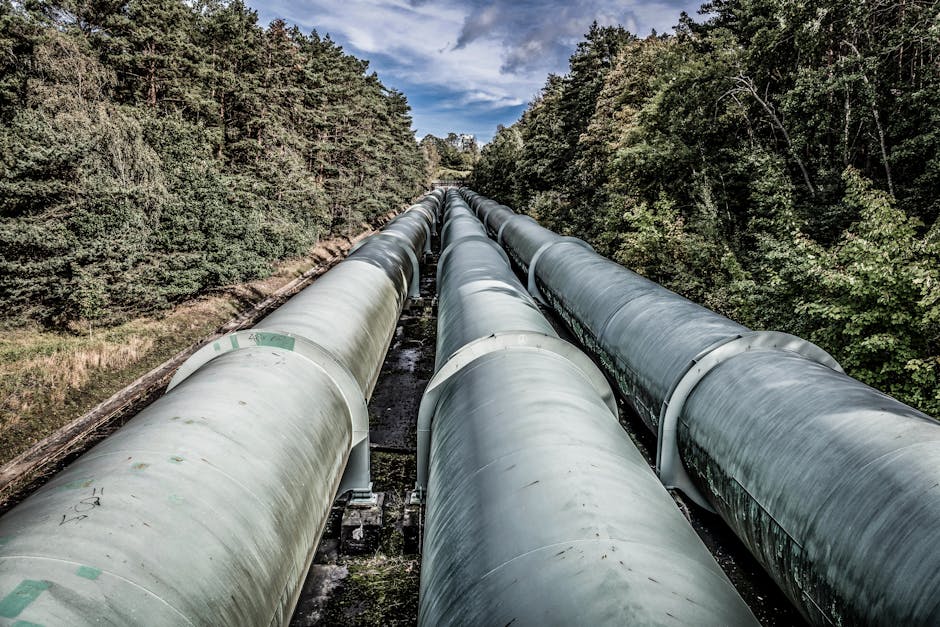
First Nations leaders across British Columbia and Alberta are challenging the federal and provincial governments over the West Coast oil pipeline, arguing that meaningful consultation was bypassed before major agreements were signed. Hereditary Chief Huy'wu'qw Shana Thomas of the Lyackson First Nation stated that the community was blindsided by announcements from Prime Minister Mark Carney and the Premier, noting they had zero consultation prior to the substantive deal. The proposed project involves a delivery terminal in Delta spanning 260 hectares on Tsawwassen First Nation treaty lands, designed to handle supertankers carrying two million barrels per ship. Although Alberta engaged with over 100 Indigenous communities between October 2025 and June 2026, leaders from the Quw'utsun Nation and others insist that engagement must precede any federal-provincial pacts. Following the pivot to a southern coastal route due to the federal North Coast tanker ban, Prime Minister Carney announced that renewed consultations would begin immediately. The BC Ministry has clarified that while the project is Alberta's, the province will engage with First Nations if the pipeline is imposed on its territory. Legal experts note that the Crown has a duty to consult under Section 35 of the Constitution Act, 1982, and failure to do so could lead to court challenges and significant project delays.
Why It Matters
The West Coast oil pipeline represents a critical test of the duty to consult, a legal obligation established by the Haida Nation ruling in 2004 and reinforced in subsequent Supreme Court decisions. If the Crown fails to fulfill this duty, the project faces substantial legal risks, including injunctions and delays that could stall development for years. The controversy highlights the tension between federal economic goals and Indigenous rights, particularly as the project pivots to a southern coastal path that directly impacts Tsawwassen First Nation treaty lands and Lyackson traditional territory. The outcome will set a precedent for how major energy infrastructure projects are negotiated with Indigenous communities in the future, potentially influencing the viability of other national interest projects.
Local Vancouver / Burnaby Context
The proposed delivery terminal in Delta places the project directly within the Greater Vancouver regional context, impacting the Tsawwassen First Nation treaty lands and the Strait of Georgia vicinity. This location is sensitive due to its proximity to populated areas and existing marine traffic routes. The Lyackson First Nation, located on an island across the Strait of Georgia, is particularly concerned about the potential increase in tanker traffic and its impact on their communities. The BC Ministry's stance that the project is Alberta's but will engage if imposed reflects the complex jurisdictional dynamics in the region. Local Indigenous groups remain split on the Alberta-federal pipeline pact, with some leaders expressing alarm over the prospect of conflict and others demanding systematic consent processes. The pivot to the southern route was driven by the federal North Coast tanker ban, shifting the focus and potential environmental risks to the southern coast.
Market Impact
The pipeline project could significantly increase tanker traffic through the Strait of Georgia and shared border waters with Washington state, raising concerns about marine safety and environmental risks. For the local economy, the construction and operation of the 260-hectare terminal in Delta could bring short-term employment opportunities but also long-term concerns about industrialization of the area. The potential for legal challenges and delays introduces uncertainty for investors and developers involved in related infrastructure. The project's progress may also influence regional sentiment towards energy development and Indigenous relations, potentially affecting property values and community stability in Delta and surrounding areas.
Investor / Buyer Takeaway
Monitor legal developments regarding the duty to consult, as court challenges could delay the project and affect related investments. - Watch for updates on the southern coastal route, as the Delta terminal location may impact local property values and marine traffic. - Be aware of the split among Indigenous groups, as consensus or continued opposition could influence project timelines and regulatory approvals. - Consider the potential for increased tanker traffic in the Strait of Georgia when assessing risks for coastal properties and marine insurance. - Track the engagement process between the federal government and affected First Nations, as outcomes will shape future infrastructure projects in the region.
Builder / Developer Perspective
The West Coast oil pipeline is a major infrastructure project that requires extensive permitting and financing. Developers involved in the Delta terminal must navigate complex regulatory landscapes and Indigenous consultation processes. The project's success depends on securing consent from affected First Nations, including the Tsawwassen First Nation, which could influence the feasibility and timeline of construction. The pivot to the southern route adds complexity due to the need to address specific local concerns and environmental impacts. Builders and developers should prepare for potential delays and increased scrutiny from regulatory bodies and Indigenous communities.
Risk Factors
Legal risks from failure to fulfill the duty to consult, potentially leading to court challenges and project delays. - Political risks from split Indigenous responses and potential opposition from local communities in Delta and the Strait of Georgia. - Environmental risks from increased tanker traffic and potential spills in sensitive marine ecosystems. - Regulatory risks from changing federal and provincial policies on energy infrastructure and Indigenous rights. - Financial risks from prolonged uncertainty affecting investor confidence and financing costs.
BurnabyHouse Insight
The West Coast oil pipeline controversy underscores the growing power of Indigenous legal rights in shaping Canadian infrastructure. The duty to consult is no longer a formality but a substantive hurdle that can halt or reshape major projects. For Burnaby and Greater Vancouver, the pivot to a southern route means the project's impacts are local, affecting Delta and the Strait of Georgia directly. The Lyackson First Nation's concerns about marine traffic highlight the cross-border nature of these risks. The outcome will likely influence how future energy projects are negotiated, emphasizing the need for early and meaningful engagement with Indigenous communities. This case serves as a reminder that economic development in BC must align with Indigenous rights to avoid costly legal and political battles.
Community
Questions, Answers & Comments
Ask a question, add context, or leave a comment. Public posts appear after review.
No public questions or comments yet. Be the first to ask.