U.S. Gas Prices Dip Below $4 for First Time Since March
Key Takeaways
- What happened
- U.S.. gas prices fell below $4 a gallon on average on Thursday, marking the first time since March that the national average has reached this level.
- Location
- Global markets / U.S. / Middle East (indirect for Metro Vancouver)
- Key points
-
- The drop below $4 a gallon provides immediate relief to American motorists who have endured…
- 15% decline in the price of U.S. crude this month this month
- U.S. gas prices fell below $4 a gallon Thursday
- Local impact
- Oil and energy cost shifts feed into inflation and rate expectations first, then into Canadian mortgage rates, development financing and Metro Vancouver housing carrying costs and supply-demand expectations.
- Who should watch
- - Monitor the 60-day negotiating clock for signs of a permanent end to hostilities, which could further stabilize or lower energy costs.
Generating audio…



What Happened
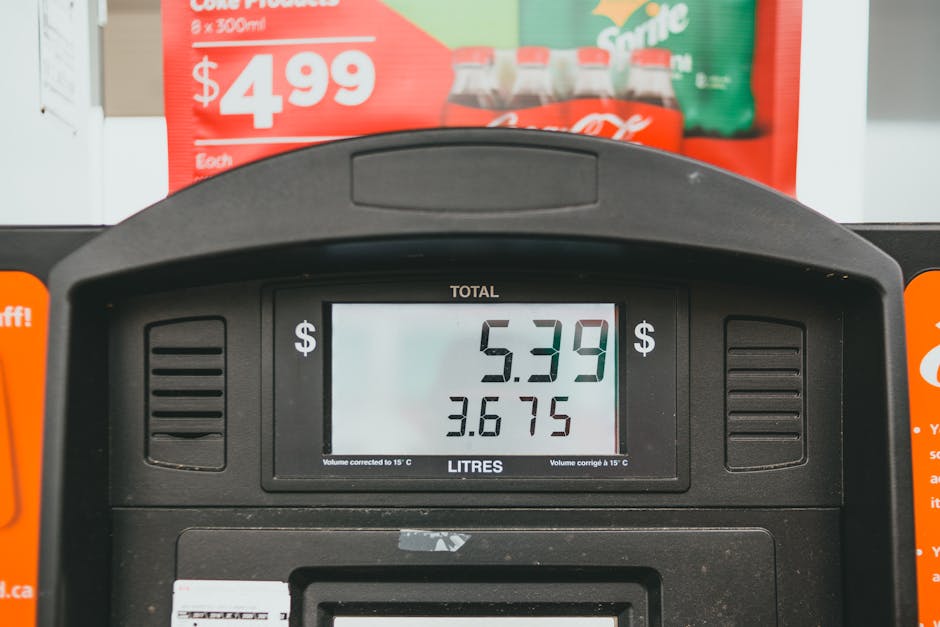
U.S. gas prices fell below $4 a gallon on average on Thursday, marking the first time since March that the national average has reached this level. The average price hit $3.999 per gallon, a drop driven by an agreement President Donald Trump signed with Iran. This diplomatic deal calls for Tehran to dilute its stockpile of highly enriched uranium and waives U.S.-backed sanctions on the country. The agreement also initiates a 60-day negotiating clock aimed at a permanent end to hostilities. Consequently, oil prices for U.S. benchmark crude fell to about $80 a barrel on Monday. This is a significant decline from the $67 per barrel price before the conflict and the peak of over $120 a barrel earlier in the war. Despite the drop, prices vary widely across the country, with California averaging $5.64 per gallon and South Carolina at $3.58. Analysts note that it will take weeks or months for oil to resume flowing through the Strait of Hormuz, which carried a fifth of the world’s crude before the war. Hundreds of ships remain trapped in the Persian Gulf, and ship captains may take time to assess the safety of passage. The threat of attack from Iran has not fully receded, and Gulf oil producers that throttled back production will need time to resume operations.
Why It Matters
The drop below $4 a gallon provides immediate relief to American motorists who have endured high fuel costs for months. It signals a potential de-escalation in geopolitical tensions, which has been a primary driver of oil price volatility. However, the relief is likely temporary as the physical flow of oil through the Strait of Hormuz remains disrupted. The 60-day negotiating clock adds a layer of uncertainty to future energy markets. Investors and consumers should watch for signs of whether the diplomatic progress translates into actual supply increases.
Local Vancouver / Burnaby Context
While this news focuses on U.S. national averages, it has implications for Canadian fuel markets. British Columbia, including Burnaby and Vancouver, often sees fuel prices track closely with U.S. West Coast benchmarks. California's high average of $5.64 per gallon highlights the disparity in regional pricing, which can influence cross-border fuel purchasing behavior. For Burnaby residents, a drop in U.S. prices may eventually lead to modest relief at local pumps, though local taxes and transportation costs play a significant role. The broader context of energy security and supply chain stability is relevant to any household relying on personal vehicles for daily commutes in the Greater Vancouver area.
Community
Questions, Answers & Comments
Ask a question, add context, or leave a comment. Public posts appear after review.
No public questions or comments yet. Be the first to ask.