Sen̓áḵw Rental Price Backlash Highlights Vancouver Affordability Gap
Key Takeaways
- What happened
- Online backlash has erupted over asking rental prices at the Squamish Nation-led Sen̓áḵw development in Vancouver, with listings reaching up to $12,500 per month for the largest units.
- Location
- Located on 4.2 hectares of Squamish Nation land adjacent to Vanier Park.
- Key points
-
- The Sen̓áḵw price controversy serves as a critical case study for Vancouver's housing policy,…
- Squamish Nation began building the development 2022
- court battle ended with a deal 2002
- Local impact
- Vancouver's rental market is characterized by extreme price sensitivity, with affordability rankings consistently placing the city among the most expensive globally. For Metro Vancouver buyers, sellers, developers and investors, watch financing cost, transaction pace, supply mix and policy expectations.
- Who should watch
- - Buyers should be cautious of new rental projects that claim to address affordability if they rely heavily on market-rate units.
What Happened
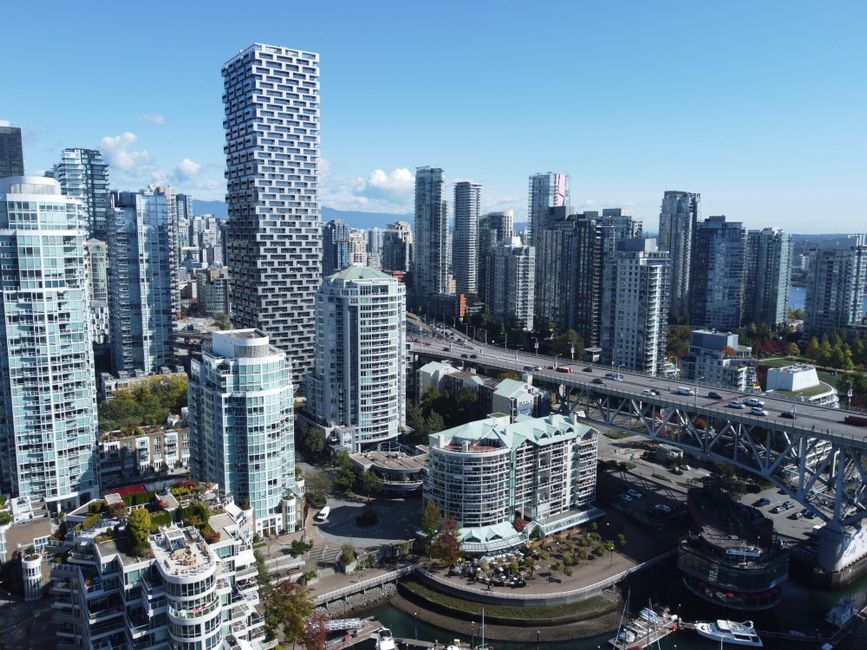
Online backlash has erupted over asking rental prices at the Squamish Nation-led Sen̓áḵw development in Vancouver, with listings reaching up to $12,500 per month for the largest units. These figures, highlighted by real estate journalist Howard Chai and agent Suraj Rai, have been removed from the project's website after drawing sharp criticism from the public. A spokesperson clarified that the posted rates were merely a sample of market rental rates rather than final pricing for all tenants. The controversy underscores a significant disconnect between the project's market-rate units and the financial reality for local renters. Only 20% of the Sen̓áḵw units are designated for affordable housing, leaving the majority subject to prevailing market conditions. This tension has fueled ongoing frustration among nearby residents, some of whom have filed lawsuits to halt construction. The project, situated on 4.2 hectares of Squamish Nation land adjacent to Vanier Park, remains the largest Indigenous-led housing and retail development in Canada. It comprises more than 6,000 rental units and 1,200 homes, supported by a $1.4-billion federal loan for 3,000 units. Westbank Corp sold its stake in the project in 2025, following a court battle that ended with a $92-million deal in 2002. The development began construction in 2022 and is now welcoming its first residents. Experts note that the backlash reflects a broader systemic issue where market rents outpace what typical renters can afford.
Why It Matters
The Sen̓áḵw price controversy serves as a critical case study for Vancouver's housing policy, illustrating the friction between market-rate development and genuine affordability. While the project delivers a substantial volume of new supply, the high cost of its market units limits access for average-income households. This dynamic challenges the narrative that new supply alone solves the housing crisis without targeted affordability mechanisms. The situation highlights the difficulty of balancing developer returns, Indigenous economic participation, and social housing goals in a high-cost market. It also demonstrates how public perception can shift rapidly when new developments are perceived as catering to high-end renters rather than addressing the needs of the broader community. The backlash forces a re-evaluation of how "market" rents are defined and communicated in large-scale, publicly funded projects. Ultimately, it underscores the urgent need for policies that ensure new housing serves a wider economic spectrum, not just those with high incomes.
Local Vancouver / Burnaby Context
Vancouver's rental market is characterized by extreme price sensitivity, with affordability rankings consistently placing the city among the most expensive globally. The median household income for renters in Vancouver was $66,500 as of the 2021 census, compared to $106,000 for owners, according to Andy Yan, director of Simon Fraser University's City Program. This income gap means that even "market" rents that might be sustainable for owners are often unattainable for renters. The Sen̓áḵw project is located on Squamish Nation land adjacent to Vanier Park, a historically significant area for the Squamish people and a key part of Vancouver's urban fabric. The development's scale—over 6,000 rental units and 1,200 homes—makes it a landmark project in the city's multi-family housing landscape. Nearby communities, such as Kitsilano, have long been concerned about development impacts, with some residents expressing unhappiness over the project's progress and its perceived lack of affordable housing. The project's reliance on a $1.4-billion federal loan highlights the government's role in financing large-scale Indigenous-led housing. The sale of Westbank Corp's stake in 2025 signals a shift in project ownership and potentially in how the remaining units are marketed and managed. The ongoing legal challenges from nearby residents reflect the intense local scrutiny that major developments face in Vancouver. This context is crucial for understanding why the rental price backlash resonated so strongly beyond the project's immediate vicinity.
Market Impact
The Sen̓áḵw price controversy may influence how future large-scale rental projects are priced and marketed in Vancouver. Developers may face increased pressure to justify market-rate pricing in projects with significant public or Indigenous backing. The backlash could lead to tighter scrutiny of affordability claims in new developments, potentially affecting pre-sales and leasing strategies. For renters, the situation reinforces the perception that the rental market is increasingly out of reach for median-income households. This may drive demand for alternative housing options, such as secondary suites or smaller units, if they become more available. The project's success in leasing its units will be closely watched as an indicator of whether high-end rental demand remains strong in Vancouver. If the project struggles to fill units at the posted rates, it could signal a cooling in the luxury rental market. Conversely, if it succeeds, it may validate the strategy of targeting high-income renters in new developments. The controversy also highlights the risk of reputational damage for projects that are perceived as ignoring affordability concerns.
Investor / Buyer Takeaway
- Buyers should be cautious of new rental projects that claim to address affordability if they rely heavily on market-rate units. - Investors should monitor the leasing performance of Sen̓áḵw as a bellwether for the high-end rental market in Vancouver. - Renters should recognize that "market" rents in new developments may not reflect the affordability of the broader population. - Buyers of existing rental properties should consider the impact of new supply on their asset's value and rental income potential. - Investors should watch for policy changes that may require greater affordability contributions in future developments.
Builder / Developer Perspective
Developers face the challenge of balancing financial viability with social expectations in large-scale projects. The Sen̓áḵw case highlights the difficulty of achieving affordability targets while maintaining returns for investors and lenders. The reliance on federal loans underscores the importance of government support in making such projects feasible. Developers may need to adopt more transparent pricing strategies to avoid public backlash. The sale of Westbank's stake suggests that financial partners may be reassessing their involvement in large, complex projects. Builders should consider the long-term reputational risks of being associated with projects that are perceived as unaffordable. The project's scale and complexity require careful management of stakeholder expectations, including Indigenous partners, government agencies, and local communities.
Risk Factors
- Policy changes could require greater affordability contributions in future projects, impacting developer returns. - Increased public scrutiny may lead to delays or cost overruns for new developments. - Market saturation in the luxury rental segment could affect leasing performance and income. - Legal challenges from nearby residents may continue to impact project timelines. - Changes in federal funding or lending conditions could affect the feasibility of large-scale projects.
BurnabyHouse Insight
The Sen̓áḵw price backlash is not just about one project's rents; it is a symptom of a housing system that is failing to serve the majority of its residents. While the project delivers much-needed supply, its high-end pricing highlights the gap between what is built and what is needed. The controversy forces a conversation about the role of Indigenous-led development in addressing the housing crisis and whether it can truly deliver affordability at scale. The sale of Westbank's stake adds another layer of complexity, suggesting that even major developers are navigating uncertain financial waters. For Vancouver, the lesson is clear: new supply must be accompanied by genuine affordability mechanisms, or it risks becoming another symbol of exclusion rather than inclusion. The project's success will be measured not just by its physical completion, but by its ability to serve a diverse range of incomes.
Community
Questions, Answers & Comments
Ask a question, add context, or leave a comment. Public posts appear after review.
No public questions or comments yet. Be the first to ask.