Canada Plans Up to 10 New Nuclear Reactors, Exports Push Under New Strategy
Key Takeaways
- What happened
- Energy Minister Tim Hodgson released a new national strategy for nuclear power on Monday, outlining a plan to construct up to 10 new nuclear reactors over the next 15 years.
- Location
- Canada
- Key points
-
- This national strategy represents a major pivot in Canada's energy landscape, moving beyond…
- Canada announced plans to build up to 10 new nuclear reactors over the next 15 years
- Canada announced plans to sell more Candu reactors to other countries
- Local impact
- While this federal strategy focuses on national energy infrastructure, the implications for British Columbia and the Greater Vancouver area are indirect but significant. For Metro Vancouver buyers, sellers, developers and investors, watch financing cost, transaction pace, supply mix and policy expectations.
- Who should watch
- ['Monitor federal energy policy for long-term economic indicators, but do not expect immediate effects on local housing prices.', 'Nuclear construction projects are likely to be located in specific industrial zones, not residential…


What Happened
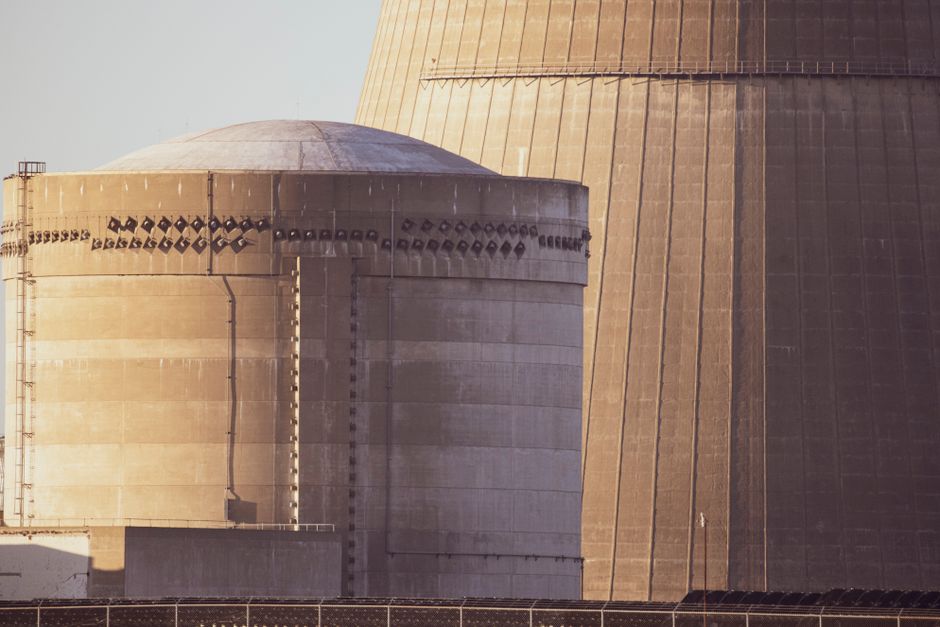
Energy Minister Tim Hodgson released a new national strategy for nuclear power on Monday, outlining a plan to construct up to 10 new nuclear reactors over the next 15 years. The federal government intends for at least one of these new facilities to be located outside of Ontario, signaling a geographic diversification of Canada's nuclear infrastructure. Alongside domestic expansion, the strategy includes aggressive targets for international trade, specifically aiming to double uranium exports. The government also plans to sell more Candu reactors to other countries, leveraging the technology for global markets. This announcement marks a significant shift in federal energy policy, prioritizing both domestic capacity and export revenue. The timeline for construction and specific site selections remain part of the broader 15-year rollout plan.
Why It Matters
This national strategy represents a major pivot in Canada's energy landscape, moving beyond reliance on existing infrastructure to active expansion. By targeting up to 10 new reactors, the government is attempting to secure a long-term, low-carbon baseload power source to meet growing electricity demand. The inclusion of sites outside Ontario suggests an effort to distribute economic benefits and energy security across multiple provinces. Furthermore, the push to double uranium exports positions Canada as a key supplier in the global nuclear fuel cycle, potentially strengthening trade relationships with nations adopting nuclear power. The strategy also aims to revitalize the domestic nuclear supply chain by promoting the export of Candu technology, which could sustain jobs and innovation in the sector. For investors and policymakers, this signals sustained federal support for nuclear energy as a pillar of future economic and environmental policy.
Local Vancouver / Burnaby Context
While this federal strategy focuses on national energy infrastructure, the implications for British Columbia and the Greater Vancouver area are indirect but significant. BC's energy grid is already heavily reliant on hydroelectric power, and the province has historically been cautious about nuclear development due to environmental concerns and existing hydro capacity. However, the federal push for reactors outside Ontario may eventually include BC if the province decides to diversify its energy mix beyond hydro. Local housing and development markets in Burnaby and Vancouver are not directly impacted by nuclear reactor construction, as these facilities require specific geological and regulatory approvals far from urban centers. Nevertheless, any increase in national electricity supply could influence long-term energy costs and industrial competitiveness in BC. The BC Housing Supply Act and local housing targets remain the primary drivers for local development, unrelated to this federal energy strategy. Local brokerage experience indicates that energy policy shifts rarely cause immediate volatility in the condo market unless they directly affect interest rates or migration patterns. Currently, the focus for BurnabyHouse readers remains on zoning, housing supply, and mortgage rates rather than nuclear infrastructure.
Market Impact
The immediate impact on the real estate market is minimal, as nuclear construction sites are typically remote from residential zones. However, in the long term, increased domestic electricity supply could support industrial growth and population retention, which may indirectly sustain housing demand. For the energy sector, the strategy creates opportunities for contractors, engineers, and uranium miners. Investors in nuclear-related stocks may see volatility as the 15-year plan unfolds. The push for exports could benefit Canadian technology firms and mining companies, potentially boosting the broader economy. For homeowners, the primary concern remains mortgage rates and inflation, which are influenced by broader economic conditions rather than specific energy projects. The real estate market will likely continue to be driven by local supply constraints and demographic trends rather than federal energy policy.
Investor / Buyer Takeaway
- Monitor federal energy policy for long-term economic indicators, but do not expect immediate effects on local housing prices.
- Nuclear construction projects are likely to be located in specific industrial zones, not residential neighborhoods, minimizing direct property impact.
- Investors in the energy sector may find opportunities in uranium mining and nuclear technology firms linked to the export strategy.
- Buyers should continue to focus on local factors such as zoning changes, transit developments, and interest rates when making decisions.
- The long-term stability of energy supply could support economic growth, which is a positive factor for housing demand over the next decade.
Builder / Developer Perspective
For builders and developers, this federal strategy does not directly alter zoning, permitting, or construction costs in Burnaby or Vancouver. The focus remains on residential and commercial development within existing urban boundaries. However, a stable and expanded national energy grid could eventually support industrial development and population growth, which may increase demand for housing in the long term. Developers should watch for any provincial responses to the federal strategy, as BC may adjust its energy policies accordingly. Currently, the primary challenges for builders remain housing supply targets, financing costs, and labor availability, not nuclear energy. The export of Candu reactors may create opportunities for Canadian engineering firms, but this is separate from the residential construction sector.
Risk Factors
- Federal energy policy shifts could lead to changes in provincial regulations, affecting BC's energy mix and industrial costs.
- Nuclear construction timelines are long and subject to regulatory delays, which may impact the expected benefits.
- Global uranium market volatility could affect the profitability of export strategies and related investments.
- Environmental opposition in BC could slow or prevent the adoption of nuclear power as an alternative to hydro.
- Interest rate fluctuations remain the primary risk for real estate investors, overshadowing energy policy impacts.
BurnabyHouse Insight
The federal government's push for 10 new nuclear reactors is a significant national policy move, but for Burnaby and Vancouver real estate, it remains a background factor rather than a driver. Local markets are governed by housing supply, zoning, and mortgage rates. While energy policy can influence long-term economic growth, the immediate impact on property values and development feasibility is negligible. Investors should focus on local dynamics, such as the BC Housing Supply Act and neighborhood-specific zoning changes, rather than federal energy announcements. The nuclear strategy may eventually support industrial growth and population retention, which could benefit housing demand in the long term, but this is a slow-moving variable. For now, the real estate market's trajectory is determined by local supply constraints and financial conditions, not nuclear infrastructure.
Community
Questions, Answers & Comments
Ask a question, add context, or leave a comment. Public posts appear after review.
No public questions or comments yet. Be the first to ask.