Canada Post moves to convert nearly half a million more homes to community mailboxes
Start with reported facts, then read the Burnaby, Vancouver and BC real estate implications. BurnabyHouse separates facts, local context, buyer/investor takeaways and risk factors so commentary does not become reported fact.
What Happened
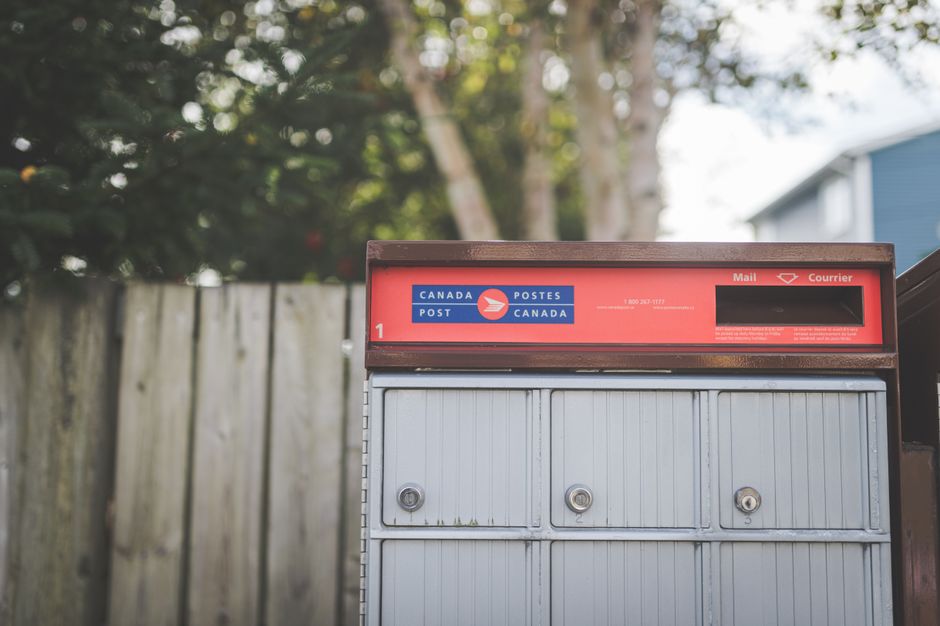
Canada Post announced on June 11, 2026, that it will convert approximately 485,000 addresses to community mailboxes in 2027. This expansion is part of a broader national transformation aimed at modernizing the postal service and addressing its deteriorating financial situation. The corporation is currently navigating a record loss from 2025 and another significant financial hit in the first quarter of 2026. To achieve financial self-sustainability, Canada Post is phasing out door-to-door delivery in favor of centralized locking systems. The program spans seven provinces and 37 communities, ranging from Halifax to Victoria. Residents in these areas will be notified and provided with keys before their delivery method changes. Canada Post will maintain and service all new community mailboxes, including snow clearing and lock repairs. The company also offers free support through its Delivery Accommodation Program for residents with functional limitations. More than 80 per cent of parcels delivered by Canada Post fit into community mailbox compartments. The broader national conversion program is expected to take about five years to complete. Ultimately, the initiative targets converting 4 million addresses from door-to-door delivery to community mailboxes. This shift aims to reduce operational costs while improving mail security for Canadians.
Why It Matters
The transition from door-to-door delivery to community mailboxes fundamentally alters the daily logistics for hundreds of thousands of households across Canada. For residents, this means a shift in routine, requiring them to collect mail and parcels from a centralized location rather than receiving them at their doorstep. Canada Post argues that this change increases security by placing nearly all mail and parcels under lock and key. The move is driven by the urgent need to stabilize the corporation's finances, which have been strained by record losses. By reducing the cost of individual home deliveries, Canada Post hopes to return to financial self-sustainability without becoming a recurring burden on taxpayers. The transformation also impacts the convenience of receiving large parcels, although the corporation notes that the majority of parcels fit into dedicated compartments. This shift represents a significant change in the Canadian postal landscape, affecting how mail is handled and secured across the country.
Local Vancouver / Burnaby Context
While this announcement is national, the impact on Greater Vancouver is notable given the high density of multi-unit residential buildings where community mailboxes are already standard. In Burnaby and Vancouver, many newer developments are already designed with centralized mail rooms, making the transition for these residents less disruptive. However, for older single-family homes or low-rise buildings in areas like Metrotown or Brentwood, the change represents a significant lifestyle adjustment. Local context suggests that residents in these areas may need to adapt to new routines for mail collection, especially during winter months when snow clearing responsibilities fall on Canada Post. The shift also raises questions about accessibility for elderly residents or those with disabilities, although Canada Post's Delivery Accommodation Program aims to address these concerns with free support options. The broader trend of centralizing mail delivery aligns with urban planning goals in dense municipalities, where space for individual mailboxes is limited. This national policy shift may influence how future housing developments in Burnaby and Vancouver are designed, potentially accelerating the adoption of centralized mail systems in new builds.
Market Impact
The conversion of 485,000 addresses to community mailboxes has limited direct impact on real estate values but may influence buyer preferences in certain segments. Properties in older neighborhoods with traditional door-to-door delivery may see a slight decrease in appeal among buyers who value convenience. Conversely, multi-unit buildings with existing centralized mail systems may benefit from the perception of increased security. The shift may also affect the market for parcel lockers and smart home delivery solutions, as residents seek alternative ways to receive packages securely. For landlords and property managers, the transition may require updates to building infrastructure or communication strategies to ensure residents are aware of the changes. The overall impact on the housing market is likely to be gradual, with the most significant effects felt in areas with high concentrations of single-family homes.
Investor / Buyer Takeaway
- Buyers in older neighborhoods should verify the status of mail delivery before purchasing, as the transition to community mailboxes may affect convenience.
- Investors in multi-unit buildings should ensure that existing mail systems are well-maintained and compliant with Canada Post's new standards.
- Sellers in areas slated for conversion should be prepared to address buyer concerns about the loss of door-to-door delivery.
- Tenants should check their lease agreements for clauses related to mail delivery and be aware of their rights regarding the Delivery Accommodation Program.
- Monitor local government communications for updates on community mailbox site selections and timelines in your specific neighborhood.
Builder / Developer Perspective
For builders and developers, the national shift towards community mailboxes reinforces the trend towards centralized mail systems in new construction. This reduces the need for individual mailbox installations in single-family homes, potentially lowering construction costs and simplifying design. Developers may find it easier to comply with building codes and postal regulations by incorporating centralized mail rooms in multi-unit projects. The focus on security and efficiency aligns with modern development standards, particularly in dense urban areas like Burnaby and Vancouver. However, developers must also consider the needs of residents with functional limitations, ensuring that their designs accommodate the free support options provided by Canada Post. The long-term goal of converting 4 million addresses suggests that centralized mail delivery will become the norm, influencing future housing policies and development practices.
Risk Factors
- Resistance from residents in single-family homes who value the convenience of door-to-door delivery.
- Potential delays in the implementation timeline due to coordination challenges with local governments and residents.
- Accessibility issues for elderly or disabled residents, despite the availability of the Delivery Accommodation Program.
- Security concerns related to the loss of individual mailbox privacy and the potential for mail theft in centralized locations.
- Financial risks for Canada Post if the cost savings from reduced home delivery do not materialize as expected.
BurnabyHouse Insight
The Canada Post transformation is a quiet but significant shift in the Canadian housing landscape. For Burnaby and Vancouver residents, the move to community mailboxes reflects a broader trend towards urbanization and density. While the immediate impact may be minimal for those in multi-unit buildings, the long-term implications for single-family homes are profound. This shift challenges the traditional notion of home delivery and forces residents to adapt to new routines. For investors and buyers, understanding these changes is crucial for making informed decisions about property locations and types. The focus on security and efficiency may eventually lead to a reevaluation of housing preferences, with a greater emphasis on convenience and accessibility in urban planning.
Community
Questions, Answers & Comments
Ask a question, add context, or leave a comment. Public posts appear after review.
No public questions or comments yet. Be the first to ask.
Gary Gao | Principal Real Estate Advisor · Licensed Home Builder · Former Municipal Insider
Decoding Greater Vancouver Real Estate: Leveraging Zoning, Driven by Data
Q: “Why should Greater Vancouver buyers trust a multi-discipline advisor?”
A: “Having lived in Canada for 26 years, I am not just a witness to Metro Vancouver's urban evolution, but a decoder of its underlying wealth logic .”