B.C. court to allow Rossland magnesium mine to proceed without environmental assessment
Key Takeaways
- What happened
- A B.C.. Supreme Court judge has rejected a lawsuit seeking to block the Record Ridge mine near Rossland, allowing the project to move forward without an environmental assessment certificate.
- Location
- The mine is located near Rossland, in the West Kootenay region, roughly five kilometres north of the Canada-U.S. border and almost 400 kilometres east of Vancouver.
- Key points
-
- The ruling establishes a precedent for how resource projects can navigate regulatory thresholds…
- In 2019, WHY Resources submitted permit applications with a proposed capacity of 200,000 tonnes…
- SRRACS announced plans to appeal the decision
- Local impact
- The Record Ridge mine is situated in the Rossland area of the West Kootenay, a region historically defined by mining activity and complex environmental stewardship issues. For Metro Vancouver buyers, sellers, developers and investors, watch financing cost, transaction pace, supply mix and policy expectations.
- Who should watch
- - Monitor the appeal outcome, as a reversal could significantly delay the project and impact local property dynamics.
Generating audio…



What Happened
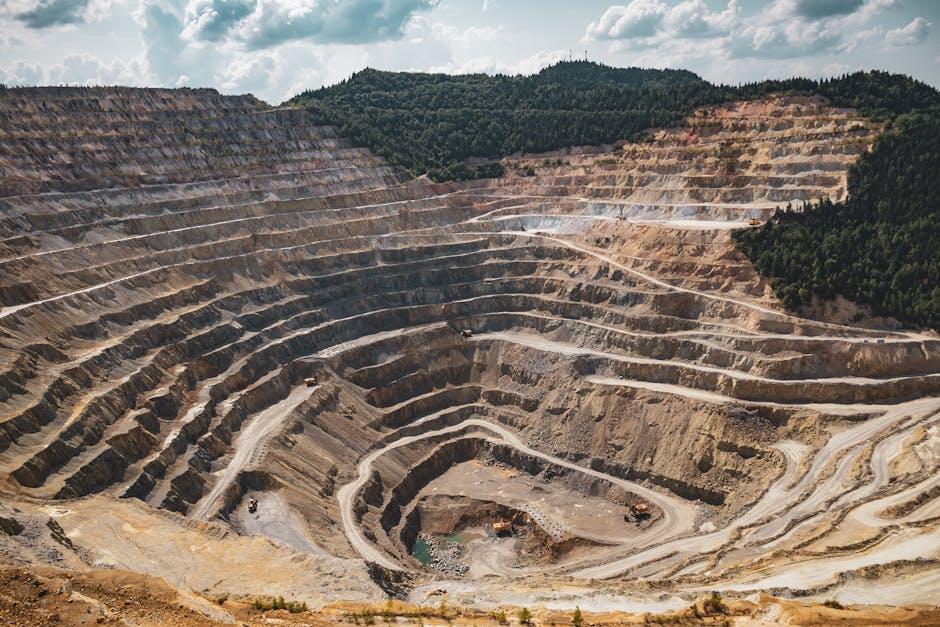
A B.C. Supreme Court judge has rejected a lawsuit seeking to block the Record Ridge mine near Rossland, allowing the project to move forward without an environmental assessment certificate. Justice Gordon Weatherill ruled that the province’s Environmental Assessment Office (EAO) acted reasonably when it determined the mine’s proposed capacity fell below the regulatory threshold for mandatory review. The decision was posted on Thursday, clearing the path for West High Yield (WHY) Resources to continue its development plans in the West Kootenay region. The mine is located roughly five kilometres north of the Canada-U.S. border, almost 400 kilometres east of Vancouver. Opponents, including the Save Record Ridge Action Committee Society (SRRACS) and the Sinixt Confederacy, had argued that the EAO’s decision lacked sufficient scrutiny of potential health and environmental risks. They contended that the project’s footprint could accommodate higher production levels, potentially allowing future capacity increases to bypass environmental assessments entirely. The court, however, found that the EAO was required to assess the capacity submitted in the application, not hypothetical future intentions. In 2024, WHY Resources amended its permit application to propose a production capacity of 63,500 tonnes of ore per year. This figure is significantly lower than the original 200,000-tonne proposal submitted in 2019, which would have automatically triggered an environmental assessment process. The 75,000-tonne threshold is the specific limit that mandates such a certificate under current regulations. Justice Weatherill noted that the EAO’s analysis was justified, transparent, and intelligible given the legal constraints. A spokesperson for WHY Resources stated the company intends to be a long-term partner with the Rossland community. Despite the court’s ruling, SRRACS has announced plans to appeal the decision. The EAO clarified that if WHY Resources seeks to expand production in the future, it would be required to apply for new permits. The court also rejected claims that the project bypassed Indigenous consultation obligations, citing other existing regulatory processes. This legal battle follows previous interim injunctions that had paused construction while judicial reviews were underway. The rejection of the current lawsuit removes a significant legal barrier to the mine’s immediate progression.
Why It Matters
The ruling establishes a precedent for how resource projects can navigate regulatory thresholds by adjusting proposed capacities to avoid mandatory environmental assessments. For the industry, it signals that the province’s Environmental Assessment Office will strictly adhere to the capacity figures submitted in applications, rather than assessing the physical potential of a site. This creates a clear pathway for developers to structure projects to bypass the most rigorous review processes, provided they stay below specific tonnage limits. For local communities, it raises concerns about the adequacy of alternative regulatory frameworks in protecting sensitive ecosystems and public health. The decision highlights the tension between economic development goals and environmental safeguards in resource-rich regions like the West Kootenay. It also underscores the legal challenges faced by Indigenous groups and local action committees in holding developers accountable for long-term environmental impacts. The outcome affects the balance of power between provincial regulators, industry applicants, and community opponents in resource development disputes.
Local Vancouver / Burnaby Context
The Record Ridge mine is situated in the Rossland area of the West Kootenay, a region historically defined by mining activity and complex environmental stewardship issues. While this project is geographically distant from Burnaby and Vancouver, the legal principles established here resonate with broader provincial debates on resource development and regulatory efficiency. In the Greater Vancouver area, housing and development pressures often clash with environmental protection mandates, creating similar tensions between density goals and ecological preservation. The West Kootenay region, including Rossland, has seen significant opposition to large-scale resource projects due to concerns over water quality, air pollution, and impacts on threatened species like the mountain holly fern. Local brokerage experience in the region indicates that such controversies can depress property values and limit development potential in affected neighbourhoods. The involvement of the Sinixt Confederacy, a U.S.-based Indigenous group with recognized rights in the area, adds a layer of cross-border legal complexity often seen in BC’s resource sector. Previous injunctions granted by the B.C. Court of Appeal have already delayed construction, highlighting the protracted nature of these disputes. The current ruling’s emphasis on submitted capacity over physical potential may influence how developers structure applications across the province, potentially reducing the scope of environmental reviews for other projects. This shift could have downstream effects on land use planning and community consultation requirements in rural BC.
Community
Questions, Answers & Comments
Ask a question, add context, or leave a comment. Public posts appear after review.
No public questions or comments yet. Be the first to ask.