Gold jumps 2.7% as US-Iran deal reopens Hormuz and cools inflation fears
What Happened
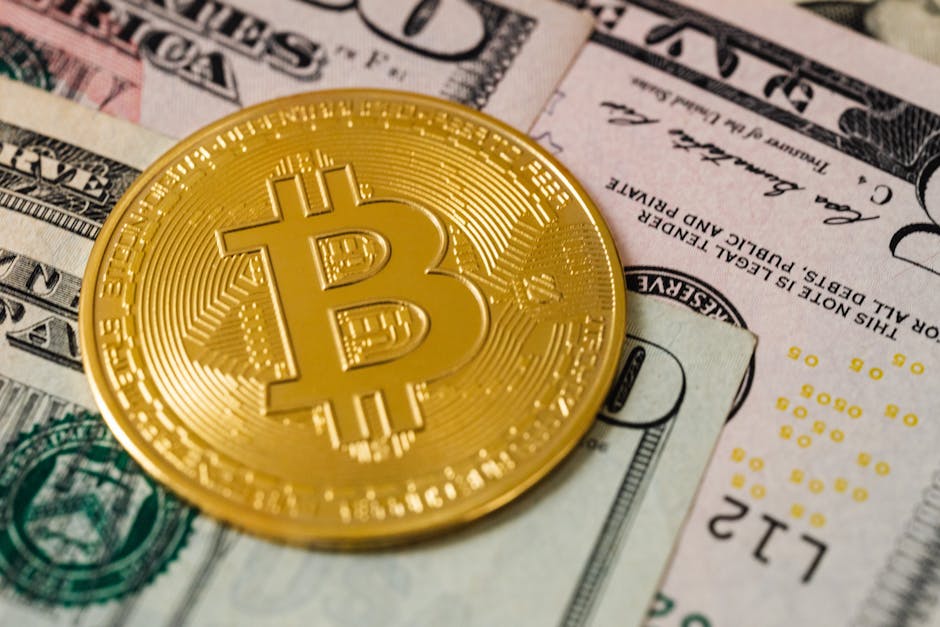
Gold prices surged more than 2.7% to $4,333.20 an ounce on Friday following an interim agreement between the United States and Iran to end hostilities and reopen the Strait of Hormuz. The deal, which US President Donald Trump declared complete on social media, includes a framework to halt the US blockade and initiate a 60-day negotiation period to dismantle Tehran’s nuclear program. In exchange, Iran will receive relief from sanctions on its overseas oil sales, a move that helped push Brent crude oil prices down by more than 4%. The agreement aims to ease global inflation fears that had been fueled by rising energy costs, potentially tempering expectations for upcoming interest-rate hikes. Gold-related mining stocks in the Asia-Pacific region followed the bullion higher, with Northern Star Resources Ltd. jumping as much as 8.2% in Sydney and Zijin Mining Group Co. rising 8.7% in Hong Kong. The formal signing of the pact is scheduled for Friday in Switzerland, though analysts note that choppy trading may persist during the interim period before finalization.
Why It Matters
The agreement fundamentally shifts the macroeconomic backdrop for precious metals by removing the geopolitical risk premium that had supported gold prices. By reopening the Strait of Hormuz, the deal addresses concerns that energy-driven inflation would force central banks to maintain higher interest rates for longer. Lower bond yields resulting from eased inflation fears further support the non-yielding asset class. However, the interim nature of the deal means that market volatility is likely to continue until the formal signing and the subsequent 60-day nuclear negotiations conclude. Investors are now watching the implementation of the sanctions relief and the progress of the nuclear talks as key drivers for future price action.
Local Vancouver / Burnaby Context
While this news originates from global markets, the implications for the Greater Vancouver real estate sector are significant. Gold’s sharp rise to above $4,330 an ounce reflects a broader de-escalation in global tensions, which often correlates with a stabilization in risk assets and a cooling of inflation expectations. For Vancouver homeowners and investors, lower inflation expectations can reduce pressure on mortgage rates, potentially easing the cost of borrowing for property buyers. The drop in Brent crude oil prices also helps alleviate household energy costs, which can improve disposable income for renter and buyer households in Burnaby and Vancouver. Furthermore, the strength of gold and mining stocks indicates a flight to safety that is now being reversed, suggesting that capital may rotate back into growth assets, including real estate, if economic stability holds. Local market sentiment in Metro Vancouver often reacts to global commodity price shifts, particularly when they influence the Canadian dollar and interest rate outlook.
Market Impact
The immediate impact is a rotation out of safe-haven assets like gold and into riskier assets, including equities and potentially real estate. The drop in oil prices reduces inflationary pressure, which could lead to a more dovish stance from the Federal Reserve and the Bank of Canada. This environment is generally positive for housing affordability as mortgage rate expectations may cool. However, the interim nature of the deal means that any breakdown in negotiations could quickly reverse these gains, leading to renewed volatility in both energy and precious metals markets. Condo buyers and sellers should watch for shifts in the Canadian dollar, which often strengthens when global risk sentiment improves, potentially affecting foreign investment flows into Vancouver real estate.
Investor / Buyer Takeaway
- Monitor mortgage rate expectations as the cooling of inflation fears may lead to a pause or slowdown in rate hikes, benefiting buyers.
- Watch the Canadian dollar; a stronger CAD due to improved global risk sentiment could impact foreign buyer activity in Vancouver.
- Be cautious of interim volatility; the deal is not yet formalized, and any news of breakdown could spike oil and gold prices again.
- Consider the impact of lower energy costs on household budgets, which may improve affordability for renters and buyers in Burnaby and Vancouver.
- Track the performance of mining stocks as a leading indicator of global risk appetite shifting back toward growth assets.
Builder / Developer Perspective
For builders and developers in Metro Vancouver, the primary takeaway is the potential for stabilized financing costs if interest rate hikes are tempered by lower inflation. The drop in oil prices reduces construction material and transportation costs, improving project feasibility. However, the interim nature of the US-Iran deal means that energy prices remain sensitive to geopolitical news. Developers should proceed with caution, ensuring that pre-sale strategies account for potential volatility in global markets that could affect buyer confidence and financing availability. The strength of mining stocks indicates a robust commodity sector, which may support local employment and income levels in resource-dependent regions, indirectly supporting housing demand.
Risk Factors
- Geopolitical risk: The deal is interim and not yet formalized; any breakdown could lead to a sharp rebound in oil and gold prices.
- Interest rate volatility: If inflation proves sticky despite the deal, central banks may still hike rates, negatively impacting housing affordability.
- Currency fluctuation: A strengthening Canadian dollar could reduce foreign investment in Vancouver real estate.
- Construction cost uncertainty: While oil prices have dropped, energy volatility could quickly reverse cost savings for developers.
- Market sentiment shifts: A rapid rotation out of gold into risk assets could lead to volatility in equity markets, affecting investor confidence in real estate.
BurnabyHouse Insight
The surge in gold and the plunge in oil prices signal a critical inflection point in global macroeconomics. For Burnaby and Vancouver real estate, the key is not the price of gold itself, but what it represents: a cooling of inflation fears and a potential easing of monetary policy pressure. This environment is historically supportive of real estate values as borrowing costs stabilize. However, the interim nature of the US-Iran deal means that investors should not assume stability is guaranteed. The next few weeks, leading up to the formal signing in Switzerland, will be crucial for determining whether this de-escalation holds or if we return to a risk-off environment. Local buyers should watch for signs of a stronger Canadian dollar and stabilizing mortgage rates as the primary indicators of market direction.
Community
Questions, Answers & Comments
Ask a question, add context, or leave a comment. Public posts appear after review.
No public questions or comments yet. Be the first to ask.