B.C. Nurses’ Union Ends Strike, Accepts Mediated Settlement After 3-Week Walkout
Key Takeaways
- What happened
- The B.C.. Nurses’ Union (BCNU) has agreed to end its province-wide job action and accept a mediated settlement, bringing an end to the longest nursing strike in British Columbia history.
- Location
- Province-wide in British Columbia; rotating picket lines in the Lower Mainland and on Vancouver Island.
- Key points
-
- The resolution of this strike is critical for the stability of British Columbia’s public…
- Previous tentative agreement struck by the union on May 22
- Nurses voted down the May 22 tentative agreement
- Local impact
- The strike’s impact was felt across British Columbia, with rotating picket lines established in the Lower Mainland and on Vancouver Island. In the Lower Mainland, which includes Burnaby and Vancouver, hospitals and health facilities would have experienced disruptions in staffing and service delivery during the more than three-week period. For Metro Vancouver buyers, sellers, developers and investors, watch financing cost, transaction pace, supply mix and policy expectations.
- Who should watch
- ['The resolution of the strike does not directly impact real estate investment decisions, housing prices, or development timelines in Burnaby or Vancouver.', 'Buyers and investors should continue to monitor local housing market data,…



What Happened
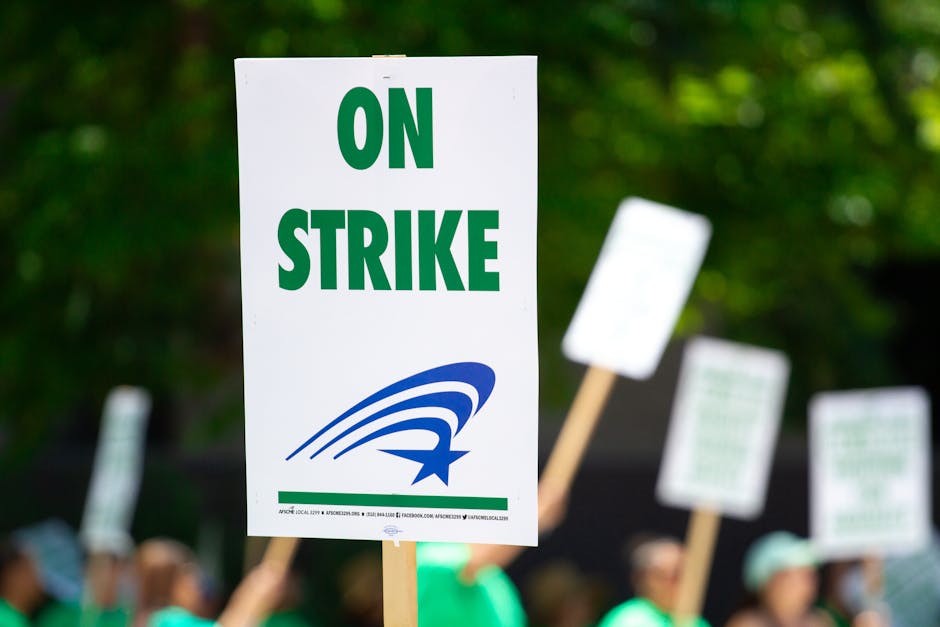
The B.C. Nurses’ Union (BCNU) has agreed to end its province-wide job action and accept a mediated settlement, bringing an end to the longest nursing strike in British Columbia history. The walkout, which lasted more than three weeks, concluded at midnight on Friday after the union’s bargaining association accepted the recommendations presented by special mediators Vince Ready and Amanda Rogers. The dispute had previously stalled, prompting B.C. Labour Minister Jennifer Whiteside to appoint the mediators to help break the deadlock. During the strike, nurses established rotating picket lines across the 低陆平原 and Vancouver Island, while also refusing to work overtime and complete non-nursing duties. The union stated that the core issues driving the action were workplace violence and the diversion of nursing staff to non-clinical tasks. While the specific terms of the agreement were not disclosed, the deal addresses these major concerns raised by the union. BCNU President Adriane Gear emphasized that the members forced the government and health employers to confront the realities of the public health-care system. The union also noted that nurses were offered the same 12 per cent wage increase over four years as other bargaining units, indicating the focus was not primarily on pay.
Why It Matters
The resolution of this strike is critical for the stability of British Columbia’s public health-care infrastructure, which has faced significant strain during the walkout. By ending the job action, the province can restore normal staffing levels in hospitals and clinics that were affected by the rotating picket lines and work refusals. The settlement’s focus on workplace violence and non-nursing duties highlights ongoing structural challenges in health-care delivery that affect both staff retention and patient care quality. The intervention of special mediators underscores the depth of the impasse between the province, the Health Employers’ Association of B.C. (HEABC), and the union. HEABC, which represents most publicly funded health employers, negotiated the agreement covering more than 190,000 unionized health care employees. The outcome sets a precedent for how complex labour disputes in the health sector are resolved when direct negotiations fail, particularly when essential workers are involved. The union’s success in changing the conversation around nursing realities suggests that future policy and operational decisions may need to account more closely for the practical challenges faced by frontline staff.
Local Vancouver / Burnaby Context
The strike’s impact was felt across British Columbia, with rotating picket lines established in the 低陆平原 and on Vancouver Island. In the 低陆平原, which includes Burnaby and Vancouver, hospitals and health facilities would have experienced disruptions in staffing and service delivery during the more than three-week period. The presence of picket lines at major medical centres, such as Vancouver General Hospital, would have been a visible part of the local landscape for residents. The resolution of the strike is particularly relevant to the region’s health-care capacity, as the 低陆平原 is home to a significant portion of the province’s population and health infrastructure. While the strike itself was a labour dispute, the underlying issues of workplace violence and non-nursing duties are relevant to broader health-care policy discussions in the region. The province’s housing targets and local government roles in housing supply, as outlined by BC Housing, are separate from this labour issue, but the stability of the health-care workforce is a foundational element of community well-being in Burnaby, Vancouver, and the wider Greater Vancouver area. The settlement does not directly alter zoning, development, or housing policies, but it does impact the operational capacity of health services that support local residents.
Market Impact
The end of the strike removes a source of uncertainty for health-care services in the 低陆平原 and Vancouver Island. For residents, this means a return to normal access to nursing care in hospitals and clinics that were affected by the walkout. The resolution may also have indirect effects on local businesses and services that rely on health-care workers, as staff availability returns to pre-strike levels. There is no direct impact on the real estate market, housing prices, or development activity in Burnaby or Vancouver from this labour settlement. However, the stability of the health-care system is a factor in the overall quality of life and attractiveness of the region for residents and potential newcomers. The settlement’s focus on workplace safety and duty definitions may influence future hiring and retention strategies for health employers, which could affect the local labour market for health-care professionals.
Investor / Buyer Takeaway
The resolution of the strike does not directly impact real estate investment decisions, housing prices, or development timelines in Burnaby or Vancouver. - Buyers and investors should continue to monitor local housing market data, rental supply, and interest rate trends for property-related insights. - The stability of the health-care workforce is a positive indicator for community well-being, which can support long-term neighbourhood desirability. - No immediate changes to zoning, development applications, or housing policy are linked to this labour settlement. - Investors should focus on standard market indicators such as inventory levels, sales data, and economic forecasts for property decisions.
Builder / Developer Perspective
The settlement does not directly affect builder or developer feasibility, permitting, or financing in the current reporting. The focus of the agreement is on health-care labour relations, not construction or development regulations. Builders and developers should continue to monitor local zoning bylaws, development cost charges, and housing supply policies for relevant market signals.
Risk Factors
The specific terms of the mediated settlement were not disclosed, leaving uncertainty about the long-term financial or operational implications for health employers. - Workplace violence and non-nursing duties remain systemic issues that may require ongoing monitoring and potential future policy adjustments. - The strike’s duration of more than three weeks may have had cumulative effects on patient care and health system efficiency that are difficult to quantify. - Future labour disputes in the health sector could involve similar complexities, requiring careful negotiation and potential mediator involvement. - The union’s emphasis on changing the conversation around nursing realities may lead to increased scrutiny of health-care working conditions and staffing models.
BurnabyHouse Insight
The end of the B.C. Nurses’ Union strike marks a significant moment for the province’s health-care system, particularly in the 低陆平原 where rotating picket lines were a prominent feature of the dispute. The settlement’s focus on workplace violence and non-clinical duties highlights the structural challenges facing health-care workers, which are distinct from the housing and development issues that typically dominate local real estate discourse. For Burnaby and Vancouver residents, the return of normal health-care services is a key community benefit, though the settlement does not directly impact property markets or development activity. The involvement of special mediators and the union’s success in shifting the narrative around nursing realities suggest that future health-care policy may need to address these foundational issues more proactively. While the strike is a labour story, its resolution contributes to the broader stability of the region’s essential services, which underpin the quality of life in Burnaby, Vancouver, and the wider Greater Vancouver area.
Community
Questions, Answers & Comments
Ask a question, add context, or leave a comment. Public posts appear after review.
No public questions or comments yet. Be the first to ask.