Powering B.C.’s future: New plan drives clean energy, growth, jobs
Key Takeaways
- What happened
- The British Columbia government and BC Hydro have advanced "Powering Growth, Fueling Opportunity," a comprehensive strategy designed to manage an electricity demand surge projected to reach 50% by 2050.
- Location
- British Columbia
- Key points
-
- The scale of the projected demand increase fundamentally alters the baseline for economic…
- without the supply and efficiency measures outlined in the new plan, industrial growth,…
- by prioritizing the lowest-cost demand-side management first, the strategy attempts to mitigate…
- Local impact
- For Burnaby and the Greater Vancouver region, the operational status of the John Horgan Dam and Generating Station is a direct local benefit. Located on the Columbia River but integrated into the BC Hydro grid that powers the 低陆平原, this facility provides clean, reliable electricity for more than 100 years, stabilizing the regional supply mix. For Metro Vancouver buyers, sellers, developers and investors, watch financing cost, transaction pace, supply mix and policy expectations.
- Who should watch
- - Commercial property investors should evaluate the Power Smart 2.0 rebates to offset upgrade costs, as energy efficiency improvements can enhance asset value and reduce operating expenses.
What Happened
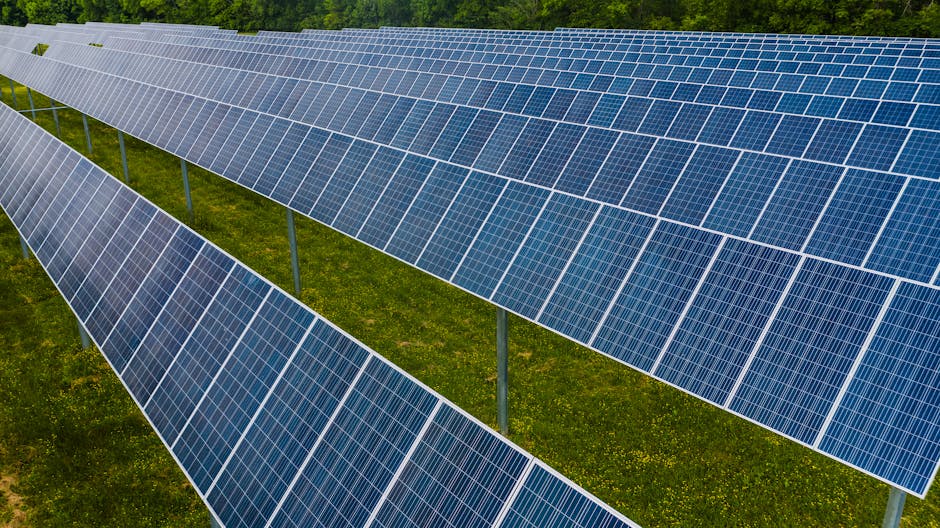
The British Columbia government and BC Hydro have advanced "Powering Growth, Fueling Opportunity," a comprehensive strategy designed to manage an electricity demand surge projected to reach 50% by 2050. This plan addresses a concurrent 44% increase in peak demand, aiming to secure the province's economic competitiveness and community resilience through a mix of conservation, optimization, and new generation. To meet these challenges, the strategy prioritizes energy efficiency as the quickest and lowest-cost solution, highlighted by the launch of the Power Smart 2.0 program. This specific initiative represents a $1 billion investment over three years, targeting 800 megawatts of capacity savings and 2,200 gigawatt hours of annual energy savings by 2030. On the supply side, the province is accelerating the full operation of the John Horgan Dam and Generating Station, which became operational in August 2025, while simultaneously upgrading existing infrastructure like the Revelstoke Generating Station to add more than 1,000 megawatts of dependable capacity. These combined actions are projected to increase overall electricity supply by 25%, an expansion sufficient to power approximately 1.5 million homes. The strategy relies on a three-pillar approach of conserving, optimizing, and building, with a strong emphasis on collaboration with First Nations, industry, and customers to ensure long-term energy security.
Why It Matters
The scale of the projected demand increase fundamentally alters the baseline for economic development in British Columbia. A 50% rise in electricity demand by 2050 is not merely a utility challenge but a macroeconomic constraint; without the supply and efficiency measures outlined in the new plan, industrial growth, electrification of transport, and residential expansion would face severe bottlenecks. The government's pivot to a "conserve, optimize, and build" framework signals a recognition that new generation alone is insufficient and too slow to address immediate peak demand pressures. By front-loading efficiency through Power Smart 2.0, the province aims to decouple economic growth from proportional energy consumption, effectively buying time for long-lead-time infrastructure projects like the John Horgan Dam to come online. This approach also impacts affordability; by prioritizing the lowest-cost demand-side management first, the strategy attempts to mitigate the rate impacts typically associated with massive capital expenditures in the utility sector. The reliance on a 25% supply increase to meet a 50% demand rise highlights the critical role of efficiency in maintaining the province's competitive advantage in clean electricity costs.
Local Vancouver / Burnaby Context
For Burnaby and the Greater Vancouver region, the operational status of the John Horgan Dam and Generating Station is a direct local benefit. Located on the Columbia River but integrated into the BC Hydro grid that powers the 低陆平原, this facility provides clean, reliable electricity for more than 100 years, stabilizing the regional supply mix. The province's focus on optimizing existing assets, such as adding a sixth generating unit at the Revelstoke Generating Station, ensures that the grid remains robust against the specific load patterns of Metro Vancouver's growing population. The Power Smart 2.0 program's expanded rebates and incentives for businesses directly impact local commercial and industrial operators in Burnaby and Vancouver, offering financial mechanisms to reduce operational costs through efficiency upgrades. Furthermore, the strategy's emphasis on collaboration with First Nations aligns with the broader provincial context of reconciliation and partnership in resource development, which is particularly relevant for projects in the province's interior that feed power to the urban centers. The 25% supply increase projected by the plan is essential for supporting the housing targets and densification efforts in Metro Vancouver, ensuring that the grid can handle the increased load from new residential developments without compromising reliability or affordability.
Market Impact
The immediate impact on the real estate and development market is indirect but foundational. The assurance of a managed supply increase and the operationalization of the John Horgan Dam provide long-term certainty for developers and investors regarding energy availability, a key factor in site feasibility and construction timelines. The Power Smart 2.0 program offers tangible cost-saving opportunities for commercial property owners and industrial operators through efficiency rebates, potentially improving net operating incomes for income-generating properties. However, the projected 44% rise in peak demand suggests that future infrastructure costs will be significant, which may eventually translate into utility rate adjustments that affect both residential and commercial operating expenses. The focus on "affordable clean electricity" as a core economic pillar indicates that the government is actively working to prevent energy costs from becoming a barrier to housing and business expansion in the province.
Investor / Buyer Takeaway
- Commercial property investors should evaluate the Power Smart 2.0 rebates to offset upgrade costs, as energy efficiency improvements can enhance asset value and reduce operating expenses.
- Developers should monitor the timeline for the full integration of the John Horgan Dam's capacity, as its operational status supports the grid reliability needed for new large-scale projects.
- Homebuyers in Metro Vancouver should be aware that the 50% projected demand surge underscores the importance of energy-efficient housing features for long-term utility cost management.
- Investors in industrial or heavy commercial sectors should track the "optimize" phase of the strategy, as upgrades to facilities like Revelstoke may influence regional power reliability and pricing structures.
- Long-term investors should view the 25% supply increase as a critical buffer for economic growth, supporting the stability of the provincial economy and real estate markets.
Builder / Developer Perspective
For builders and developers, the primary takeaway is the confirmation of grid capacity and reliability. The operationalization of the John Horgan Dam and the addition of over 1,000 megawatts from Revelstoke upgrades directly address concerns about supply constraints that could delay projects or increase interconnection costs. The $1 billion investment in Power Smart 2.0 provides a clear pathway for commercial and industrial clients to manage energy loads, which is a key consideration in pre-development feasibility studies. The strategy's emphasis on "conserve, optimize, and build" suggests that future development approvals or incentives may increasingly favor projects that demonstrate high energy efficiency, aligning with the province's broader electrification and climate goals. Developers should also note the collaboration with First Nations as a standard component of major infrastructure projects, which may influence engagement strategies for large-scale developments.
Risk Factors
- Execution risk in delivering the 800 megawatts of capacity savings by 2030 through Power Smart 2.0, which depends on widespread adoption by businesses and homeowners.
- Potential delays in the full integration of new capacity from the John Horgan Dam or Revelstoke upgrades, which could tighten supply before the 2050 horizon.
- Rate volatility if the $1 billion efficiency investment does not sufficiently offset the capital costs of the "build" phase of the strategy.
- Regulatory or permitting challenges in expanding infrastructure in collaboration with First Nations and local communities, which could slow project timelines.
- Economic sensitivity if the projected 50% demand growth is driven by volatile industrial sectors that may reduce consumption during economic downturns.
BurnabyHouse Insight
The B.C. government's strategy is a pragmatic acknowledgment that the era of cheap, abundant, and unmanaged energy growth is over. By framing the 50% demand surge not as a crisis but as a "defining opportunity," the province is attempting to steer the market toward efficiency as a primary resource. For local readers, the key signal is that energy is no longer just a utility bill but a strategic economic lever. The operational John Horgan Dam is a tangible asset that stabilizes the grid, but the real work lies in the Power Smart 2.0 program and the optimization of existing assets. This suggests a future where energy efficiency is not just a sustainability metric but a core component of financial viability for both homes and businesses in Metro Vancouver. Investors and developers who integrate these efficiency measures early will likely find themselves better positioned as the province moves toward its 2030 and 2050 targets.
Community
Questions, Answers & Comments
Ask a question, add context, or leave a comment. Public posts appear after review.
No public questions or comments yet. Be the first to ask.