Quebec aluminum smelters more resilient than expected despite U.S. tariffs
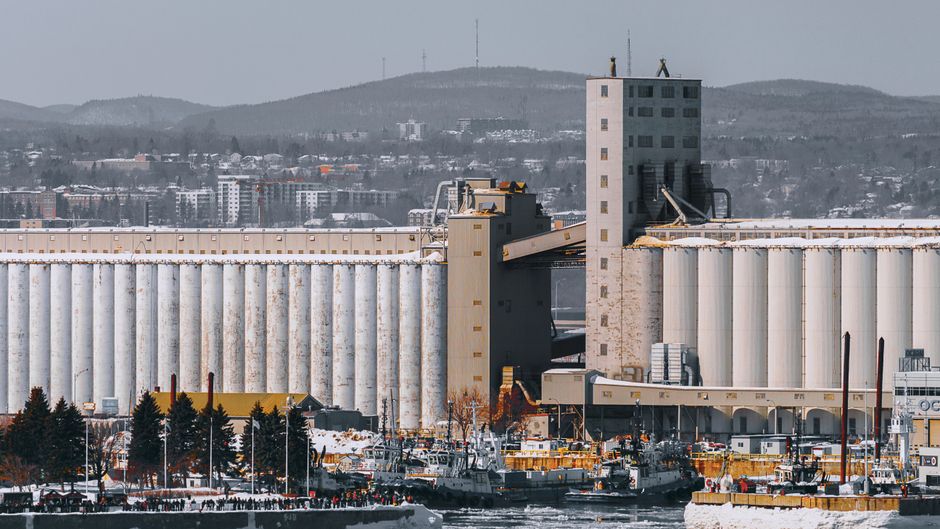
Start with reported facts, then read the Burnaby, Vancouver and BC real estate implications. BurnabyHouse separates facts, local context, buyer/investor takeaways and risk factors so commentary does not become reported fact.
What Happened
A major aluminum association in Canada says the impact of U.S. tariffs on the aluminum industry has been less dire than expected. The report is datelined Montréal and focuses on Quebec aluminum smelters. The central point is that Quebec smelters have shown more resilience than expected despite tariff pressure from the United States.
The verified facts frame this as an industry operating story rather than a housing-policy announcement. The affected sector identified in the report is aluminum production in Quebec. The practical change described is not a new rule or local approval, but a reassessment of how severely tariffs are affecting the industry.
For Canadian business readers, the key development is the gap between earlier concern and the aluminum association’s current view of the tariff impact. The reported assessment suggests that the tariff effect on Quebec smelters has been less damaging than anticipated. The verified information does not identify a municipal housing decision, a real estate transaction, or a construction approval connected to the report.
Why It Matters
Although this is not a Burnaby or Vancouver housing decision, aluminum is part of the broader construction-materials chain that matters to housing delivery. Developers, renovators, strata corporations, and commercial landlords often watch industrial input stories because tariffs and supply disruptions can influence how contractors think about procurement risk, contingency allowances, and replacement-cost assumptions.
The importance of the report is its tone: instead of describing a sharply worsening industrial shock, the verified facts describe Quebec aluminum smelters as more resilient than expected. For housing-market participants, that does not automatically mean lower costs or easier project financing. It does, however, reduce one area of uncertainty in the background environment that builders and suppliers monitor when pricing future work.
For buyers and sellers, the link is indirect. A tariff story in the aluminum sector does not change mortgage qualification, property tax, strata bylaws, or zoning. Its relevance is mainly through confidence in the supply chain and the construction-cost outlook, especially for projects or renovations where metal products form part of the budget.
Local Vancouver / Burnaby Context
BurnabyHouse local context: for Burnaby and Vancouver readers, this story should be read as national industrial context, not as a local real estate policy change. It does not alter Burnaby zoning, Vancouver development rules, provincial rental regulation, short-term rental licensing, strata governance, or buyer financing conditions. The direct reported facts are about Quebec aluminum smelters and U.S. tariffs.
That said, construction economics in Greater Vancouver are sensitive to input-cost expectations. Even when a material is not the dominant cost in a residential project, uncertainty around supply chains can affect how builders, trades, and owners budget for windows, railings, cladding systems, mechanical components, and renovation scopes. A more stable outlook in one material-producing sector can help reduce anxiety, but it does not remove the larger constraints around land cost, labour availability, municipal processing, financing, insurance, and presale risk.
For Burnaby homeowners, the most practical local reading is renovation-related. If a homeowner is planning exterior work, balcony repairs, window replacement, or a strata capital project, tariff headlines can become part of contractor pricing discussions. This report does not provide a local price forecast, but it suggests that one part of the Canadian aluminum industry has not experienced as severe an impact as expected.
For Vancouver and Burnaby developers, the story is a reminder that housing feasibility is shaped by many non-zoning variables. Even when municipalities adjust land-use policy, a project still has to absorb construction inputs, financing costs, insurance, sales risk, and approval timing. A less dire tariff impact may be helpful background, but it is not a substitute for local approvals or viable project economics.
Market Impact
The immediate market impact on residential real estate is likely limited because the verified facts do not report a local housing rule change, a new development, or a transaction. The more relevant effect is on sentiment and cost-risk perception. If builders believe a key industrial supply chain is more stable than feared, they may be less inclined to build large tariff-risk premiums into early budgeting, though actual contract pricing depends on supplier quotes and project timing.
For the condo and strata market, the connection is also indirect. Aluminum-related products can appear in building envelopes, railings, windows, and other components, so owners planning repairs may watch tariff news closely. But this report alone does not establish a price decrease, a supply increase, or a change in local contractor availability.
For land values and redevelopment feasibility in Burnaby or Vancouver, the impact is even more remote. Land pricing is driven much more directly by allowable density, approval risk, financing, expected sale or rental revenue, and construction costs as a whole. A more resilient aluminum sector may slightly improve confidence around one input category, but it does not by itself change what a site can support.
Investor / Buyer Takeaway
- Buyers should not treat this as a signal that home prices or renovation costs will automatically fall; the verified report only says the tariff impact on Quebec aluminum smelters has been less dire than expected.
- Sellers planning pre-listing upgrades should still get current contractor quotes rather than relying on broad tariff headlines.
- Investors considering older strata units should continue reviewing depreciation reports and building-envelope risk, because material-cost uncertainty can affect future repair budgets.
- Developers and land buyers can view the report as one small piece of construction-cost context, not as a change in local feasibility, zoning, or financing conditions.
- Owners planning renovations should ask contractors how material pricing is being handled in the quote, including whether escalation clauses or substitutions are included.
Builder / Developer Perspective
For builders and developers, the main relevance is procurement risk. Aluminum-related components are only one part of a housing project, but uncertainty around tariffs can affect supplier pricing, bid validity periods, and contingency planning. A report that Quebec aluminum smelters are more resilient than expected may support a less alarmed view of that particular supply chain, but it does not resolve the bigger feasibility pressures that local builders face.
In Burnaby and Vancouver, development viability still depends on land cost, density, permit timing, financing rates, hard construction costs, soft costs, presale absorption, rental revenue, and policy execution. This report does not announce a new housing program or a permitting change, so the builder impact is limited to background cost confidence. Developers should still underwrite projects using live quotes and conservative contingencies rather than assuming tariff risk has disappeared.
Risk Factors
- Tariff risk remains relevant because trade conditions can change and may affect supplier pricing even when one industry assessment is less negative than expected.
- Construction contracts should be reviewed for escalation clauses, material substitutions, and bid-validity limits.
- Strata corporations planning major repairs should avoid assuming that broad industrial resilience will translate into lower local project costs.
- Financing risk remains separate from material risk; lenders and buyers still assess feasibility based on total project economics.
- Policy risk in Burnaby and Vancouver remains local, while this report concerns an industrial tariff issue outside local land-use regulation.
BurnabyHouse Insight
The BurnabyHouse read is simple: this is not a local housing headline, but it matters at the edge of the cost conversation. A less severe tariff impact on Quebec aluminum smelters may calm one part of the construction-materials backdrop, yet Burnaby and Vancouver real estate decisions still turn on local approvals, borrowing costs, strata condition, land economics, and buyer confidence. Treat this as a small positive signal for supply-chain sentiment, not as a direct market-moving event for local homes.
Community
Questions, Answers & Comments
Ask a question, add context, or leave a comment. Public posts appear after review.
No public questions or comments yet. Be the first to ask.
Gary Gao | Principal Real Estate Advisor · Licensed Home Builder · Former Municipal Insider
Decoding Greater Vancouver Real Estate: Leveraging Zoning, Driven by Data
Q: “Why should Greater Vancouver buyers trust a multi-discipline advisor?”
A: “Having lived in Canada for 26 years, I am not just a witness to Metro Vancouver's urban evolution, but a decoder of its underlying wealth logic .”