Travellers looking for EVs to save on gas won't find them at car rental companies
Start with reported facts, then read the Burnaby, Vancouver and BC real estate implications. BurnabyHouse separates facts, local context, buyer/investor takeaways and risk factors so commentary does not become reported fact.
What Happened
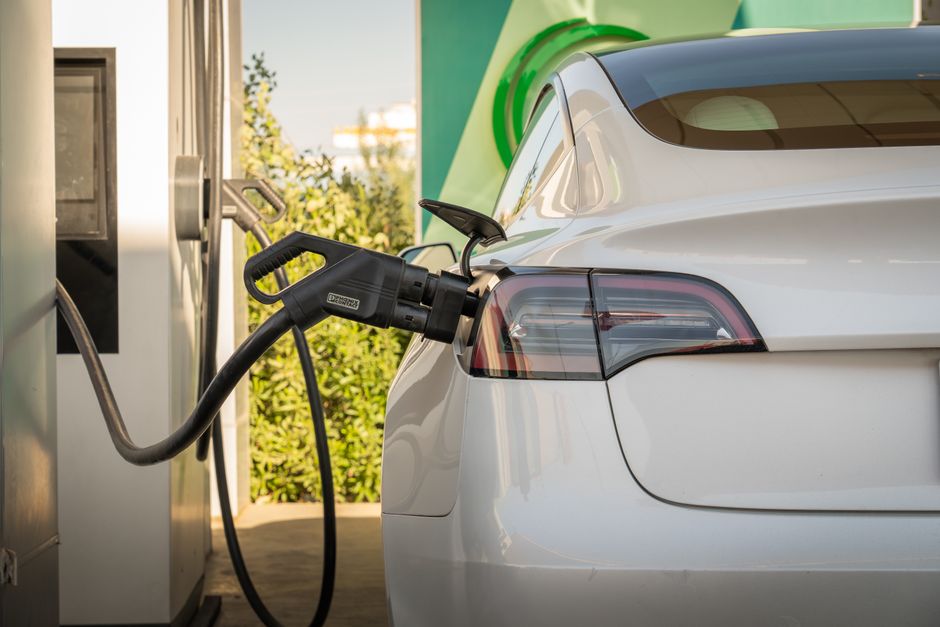
Travelers seeking electric vehicles to reduce fuel costs are encountering significant availability issues at major car rental companies. This shortage persists despite the industry's earlier attempts to integrate electric vehicles into their fleets several years ago. The initial rollout of electric vehicles by rental firms failed to achieve the market traction that companies had anticipated at the time. Steve Liborio, a consumer who recently attempted to rent an electric vehicle, reported being caught off guard by the sudden surge in demand for these units. His experience highlights a disconnect between consumer interest and actual fleet supply. The lack of available electric vehicles forces many drivers to rely on traditional internal combustion engines. This situation occurs even as gas prices remain elevated, driving more travelers to consider alternative vehicles to control costs. The rental industry's struggle to meet this demand suggests ongoing logistical or charging infrastructure challenges. Consumers hoping to save money through electric rentals are finding that the option is not practically accessible. The gap between interest and availability remains a key barrier for electric vehicle adoption in the rental sector.
Why It Matters
The inability of car rental companies to supply electric vehicles directly impacts consumer choices and environmental goals. When travelers cannot find electric options, they continue to use gas-powered vehicles, negating potential savings on fuel. This shortage reflects broader challenges in charging infrastructure and fleet management that extend beyond just rental companies. For consumers, the lack of availability means that the promise of lower operating costs for electric vehicles is not being realized in the rental market. This disconnect may slow the transition to electric vehicles among casual users who rely on rentals for travel. The situation also highlights the difficulty of scaling electric vehicle fleets in a high-turnover industry like car rentals.
Local Vancouver / Burnaby Context
In Greater Vancouver, the transition to electric vehicles is supported by local policies such as the City of Burnaby Zoning Bylaw Rewrite, which aims to facilitate sustainable development. The BC Housing Supply Act also plays a role in shaping the regulatory environment for new developments, including those that may incorporate electric vehicle charging infrastructure. While the car rental industry's struggles are national, local context in Burnaby and Vancouver shows a growing emphasis on sustainable transportation options. The CMHC Spring 2026 Housing Supply Report provides data on housing trends, which indirectly relate to the need for efficient transportation in growing urban areas. However, the specific issue of car rental EV availability is not directly addressed by these local housing reports. The local knowledge context emphasizes the importance of infrastructure in supporting sustainable living, which includes both housing and transportation.
Market Impact
The shortage of electric vehicles in the rental market may lead to higher prices for those who can secure them, or force consumers to stick with gas vehicles. This could impact the overall demand for electric vehicles in the short term, as potential buyers may be discouraged by the lack of availability. For the car rental industry, the inability to meet demand for electric vehicles represents a lost opportunity for revenue and customer satisfaction. The market impact is likely to be felt most by travelers who are specifically looking to reduce their carbon footprint or fuel costs. In the long term, this could drive investment in charging infrastructure and fleet management solutions to better support electric vehicle rentals.
Investor / Buyer Takeaway
- Travelers should not rely on car rental companies to provide electric vehicles for cost-saving purposes, as availability is limited.
- Consumers interested in electric vehicles should consider purchasing or leasing directly rather than relying on rentals for their primary transportation needs.
- Investors in the car rental industry should monitor the demand for electric vehicles and the infrastructure required to support them.
- Buyers of electric vehicles may find that the lack of rental availability does not significantly impact their decision, as ownership offers more control over charging and usage.
- Watch for developments in charging infrastructure and fleet management as key indicators of the car rental industry's ability to meet electric vehicle demand.
Builder / Developer Perspective
For builders and developers, the challenges faced by the car rental industry in supplying electric vehicles highlight the need for robust charging infrastructure in new developments. The City of Burnaby Zoning Bylaw Rewrite and the BC Housing Supply Act provide a framework for integrating sustainable transportation options into new housing projects. Developers should consider the growing demand for electric vehicle charging stations in residential and commercial properties. The lack of availability in the rental market may increase the appeal of owning electric vehicles, which in turn drives demand for charging infrastructure. Builders can capitalize on this trend by incorporating electric vehicle charging capabilities into their projects, aligning with local sustainability goals.
Risk Factors
- Regulatory changes in electric vehicle incentives or charging infrastructure standards could impact the availability and cost of electric vehicles.
- Fluctuations in gas prices may influence consumer demand for electric vehicles, but the lack of rental availability could dampen this effect.
- Infrastructure gaps in charging networks may continue to limit the practicality of electric vehicles for travelers and renters.
- Consumer frustration with the lack of electric vehicle availability could lead to a shift towards other modes of transportation or a decline in interest in electric vehicles.
- Economic factors such as the cost of electric vehicles and charging infrastructure could impact the feasibility of expanding electric vehicle fleets in the rental industry.
BurnabyHouse Insight
The car rental industry's struggle to supply electric vehicles underscores a critical gap in the transition to sustainable transportation. While local policies in Burnaby and Vancouver support sustainable development, the broader infrastructure challenges remain a significant barrier. For consumers, the lack of availability in the rental market highlights the importance of owning electric vehicles to fully realize their benefits. Developers and builders have an opportunity to lead by integrating charging infrastructure into new projects, aligning with local sustainability goals. The situation serves as a reminder that policy support alone is not enough; practical infrastructure and market dynamics must also align to drive adoption.
Community
Questions, Answers & Comments
Ask a question, add context, or leave a comment. Public posts appear after review.
No public questions or comments yet. Be the first to ask.
Gary Gao | Principal Real Estate Advisor · Licensed Home Builder · Former Municipal Insider
Decoding Greater Vancouver Real Estate: Leveraging Zoning, Driven by Data
Q: “Why should Greater Vancouver buyers trust a multi-discipline advisor?”
A: “Having lived in Canada for 26 years, I am not just a witness to Metro Vancouver's urban evolution, but a decoder of its underlying wealth logic .”