Where has rent spiked and where is it the cheapest in Canada? Here's what StatCan data revealed
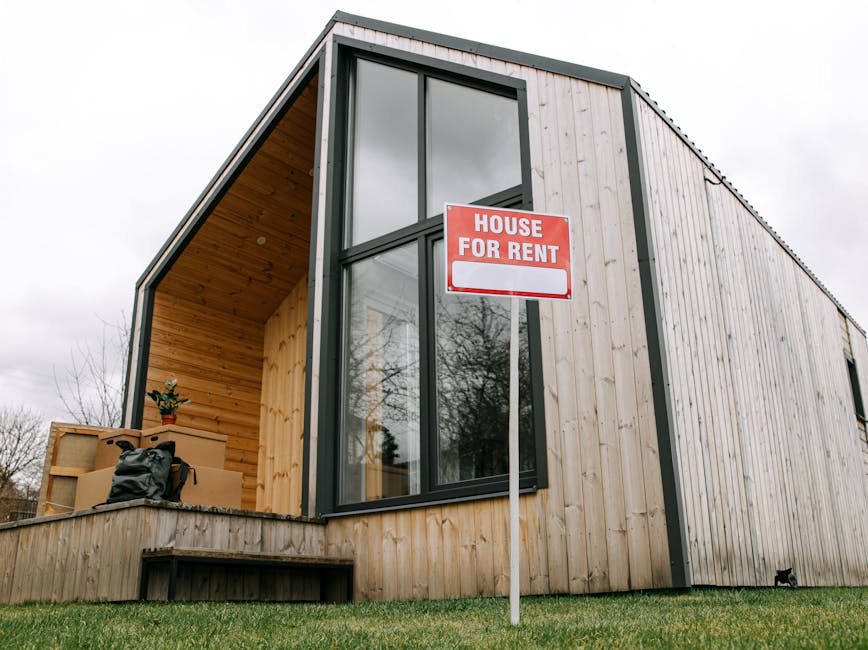
Start with reported facts, then read the Burnaby, Vancouver and BC real estate implications. BurnabyHouse separates facts, local context, buyer/investor takeaways and risk factors so commentary does not become reported fact.
What Happened
Statistics Canada released new data on May 4, 2026, revealing that average asking rents across Canada's metropolitan areas declined by as much as 5.9% in the first quarter of the year. Despite this national downward trend, Vancouver, B.C. retained its position as the census metropolitan area with the highest average asking rents in the country. The average asking rent for a two-bedroom apartment in Vancouver was recorded at $3,100 per month during the first quarter of 2026. This figure represents a slight decrease from the first quarter of 2025, when the average asking rent for a two-bedroom unit was $2,170. Nationally, the average asking rent for a two-bedroom apartment dropped to $2,150 in the first quarter of 2026, down 0.9% from the previous year. In Vancouver, single rooms averaged $1,060 per month, while one-bedroom apartments were priced at $2,290. Houses in the Vancouver market commanded the highest average asking rent at $4,860 per month.
Why It Matters
The divergence between national rent declines and Vancouver's persistent pricing highlights a significant regional disconnect in the Canadian housing market. While renters in other parts of the country are seeing relief, Vancouver's status as the most expensive rental market underscores continued supply constraints and high demand within the city. For landlords and investors, the data signals that while national trends may be cooling, the Vancouver market remains insulated from broad-based rent reductions. This suggests that affordability pressures in Greater Vancouver are intensifying relative to the rest of Canada, potentially driving migration patterns and influencing tenant behavior differently than in other provinces.
Local Vancouver / Burnaby Context
Vancouver has consistently held the title of the most expensive rental market in Canada, a position reinforced by the latest Statistics Canada data. The city's rental ecosystem is characterized by high costs across all unit types, with houses commanding nearly $5,000 per month and two-bedroom apartments exceeding $3,000. This pricing structure places significant pressure on renters in the 低陆平原, even as national averages fall. The persistence of high rents in Vancouver, despite a 0.9% year-over-year drop in two-bedroom asking rents, indicates that local supply dynamics are not yet aligning with national cooling trends. Burnaby and surrounding areas often follow Vancouver's lead in rental pricing, though specific neighborhood variances exist. The data reflects a market where affordability is a primary concern for residents, influencing decisions on renting versus buying or relocating to more affordable jurisdictions.
Market Impact
The 5.9% national decline in asking rents suggests a softening in the broader Canadian rental market, likely due to increased supply or reduced demand in other regions. However, Vancouver's market remains robust in terms of pricing, with no significant drop in absolute costs. This stability in high-end rental pricing may limit the appeal of Vancouver for cost-sensitive renters, potentially increasing vacancy rates in lower-tier units. For property owners, the data indicates that while national rent growth is stalling, Vancouver landlords may still maintain premium pricing power. The gap between Vancouver and the national average for two-bedroom units ($3,100 vs. $2,150) highlights the city's unique market position, which may attract investors seeking stability but deter tenants looking for affordability.
Investor / Buyer Takeaway
- Renters in Vancouver face the highest costs in Canada, with two-bedroom units averaging $3,100, making budgeting critical.
- Investors should note that while national rents are falling, Vancouver's pricing remains resilient, suggesting less immediate risk of value erosion in the rental sector.
- Buyers may find that high rental costs continue to support the case for homeownership, as the gap between renting and buying costs remains wide.
- Watch for potential shifts in tenant demographics as affordability pressures may drive some renters to relocate to more affordable areas outside the Greater Vancouver region.
- Landlords in Vancouver can likely maintain current asking prices, but should monitor national trends for any spillover effects that might eventually impact local demand.
Builder / Developer Perspective
For builders and developers, the data highlights the continued strength of the rental market in Vancouver, which supports the feasibility of new rental projects. However, the national decline in rents may signal broader economic headwinds that could affect construction financing and buyer confidence. Developers must navigate a market where high land and construction costs in Vancouver are justified by premium rental rates, but where national trends suggest a cooling environment. The stability of Vancouver's rents compared to the national average provides a buffer for project economics, but requires careful underwriting to account for potential future softening. Pre-sale strategies for rental projects may need to emphasize long-term value given the high entry costs for tenants.
Risk Factors
- National rent declines could eventually impact Vancouver if increased supply or economic shifts reduce demand.
- High rental costs may lead to increased tenant turnover or longer vacancy periods if affordability becomes untenable.
- Economic headwinds affecting the broader Canadian market could impact construction financing and development feasibility.
- Potential policy changes at the federal or provincial level could alter rental market dynamics or affordability measures.
- Insurance and maintenance costs in Vancouver remain high, potentially squeezing landlord margins despite premium rents.
BurnabyHouse Insight
Vancouver's rental market is operating on a different frequency than the rest of Canada. While the national average asking rent for a two-bedroom unit has dropped to $2,150, Vancouver remains firmly anchored at $3,100. This disconnect is not just a statistical anomaly; it reflects the structural realities of Greater Vancouver's housing supply and demand. For local readers, the key takeaway is that Vancouver's rental premium is persistent, not temporary. Investors and homeowners should view this resilience as a sign of market depth, but also remain vigilant for any signs of national trends bleeding into the local market. The data confirms that while Canada may be seeing rent relief, Vancouver is not yet part of that story.
Community
Questions, Answers & Comments
Ask a question, add context, or leave a comment. Public posts appear after review.
No public questions or comments yet. Be the first to ask.
Gary Gao | Principal Real Estate Advisor · Licensed Home Builder · Former Municipal Insider
Decoding Greater Vancouver Real Estate: Leveraging Zoning, Driven by Data
Q: “Why should Greater Vancouver buyers trust a multi-discipline advisor?”
A: “Having lived in Canada for 26 years, I am not just a witness to Metro Vancouver's urban evolution, but a decoder of its underlying wealth logic .”